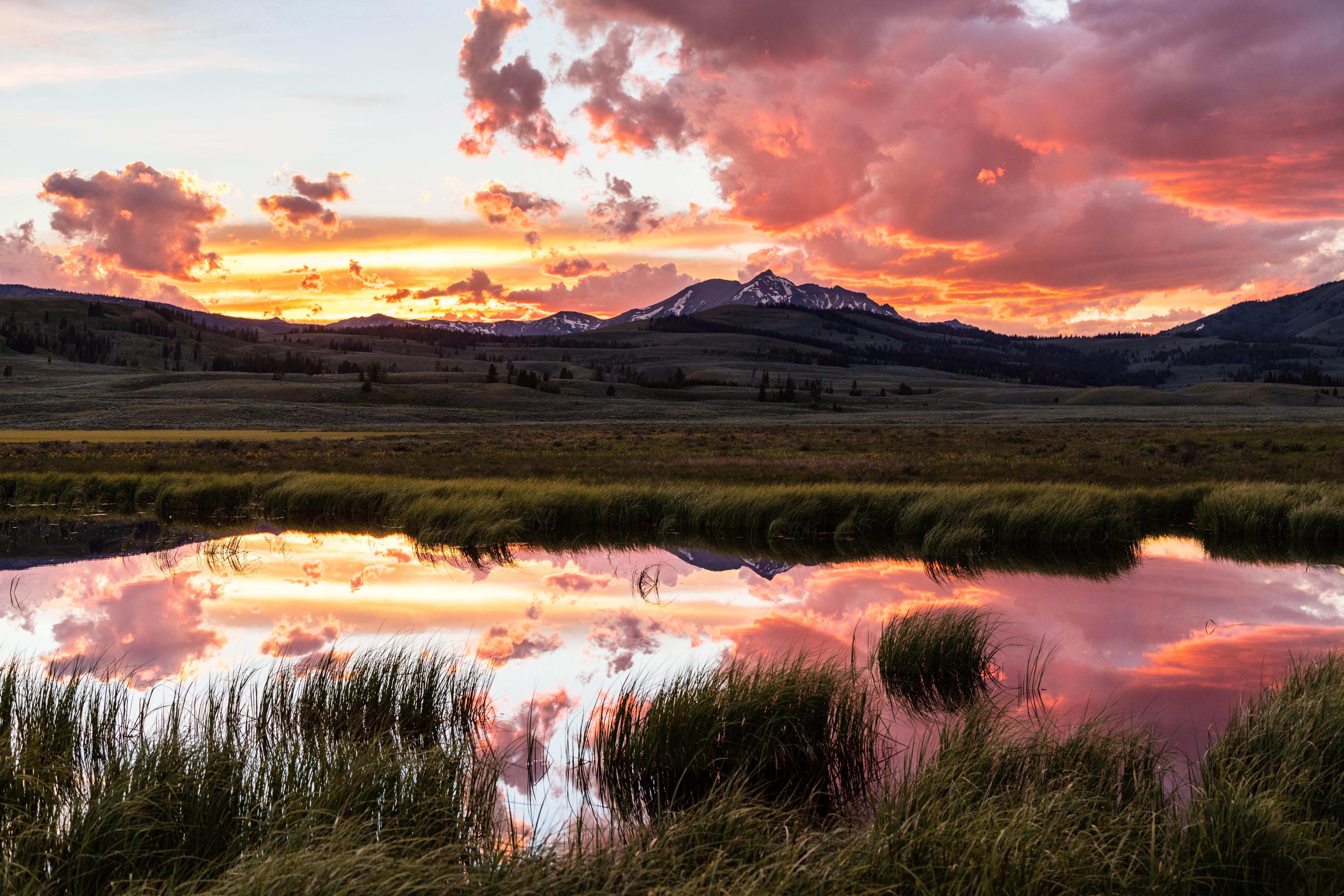
Yellowstone National Park
Biscuit Basin Closed Due to Hydrothermal Explosion — The parking lot, boardwalk, and Firehole River at Biscuit Basin, located north of Old Faithful, is closed to all travel until further notice due to the possibility of another event at the site of a hydrothermal explosion that occurred July 23, 2024. Details ↗
Their Space, Your Safety — Animals in Yellowstone are wild and dangerous. Stay at least 100 yards (91 m) from bears/wolves/cougars and 25 yards (23 m) from bison/elk/all other wildlife. Carry bear spray (even on short walks) and know how to use it—you can rent/purchase/recycle it at several locations in th Details ↗
Select Park Rivers Closed to Fishing — The Madison, Firehole and Gibbon (downstream of Norris Campground) rivers are closed to fishing until water temperatures cool to protect the park's native and wild trout fisheries. Most other rivers and streams are open to fishing, as specified in park fishing regulations. Details ↗
Traffic Delays - Yellowstone River Bridge — Expect up to 30-minute delays on the Yellowstone River Bridge, near Tower Junction, while crews perform paving operations. Crews will work during the day until Aug. 7, and at night Aug. 9-15. Dates and times are subject to change based on weather. Details ↗
Traffic Delays - Gardner River High Bridge — Expect a single lane of traffic with up to 15-minute delays, 24 hours a day, seven days a week, from April 1 through late October 2026. Oversized/overweight vehicles (8'6"+ wide, 75'+ long, 80,000 lbs+ gross vehicle weight) will not be able to cross the bridge during this time. Details ↗
Vehicle Entrance Reservation Not Needed — Although an entrance pass is required to enter Yellowstone National Park, vehicle reservations are not needed. You are encouraged to purchase an entrance pass before arriving, but you may also purchase passes at any entrance station upon arrival. Details ↗
Source: US National Park Service, refreshed several times a day.
Einführung
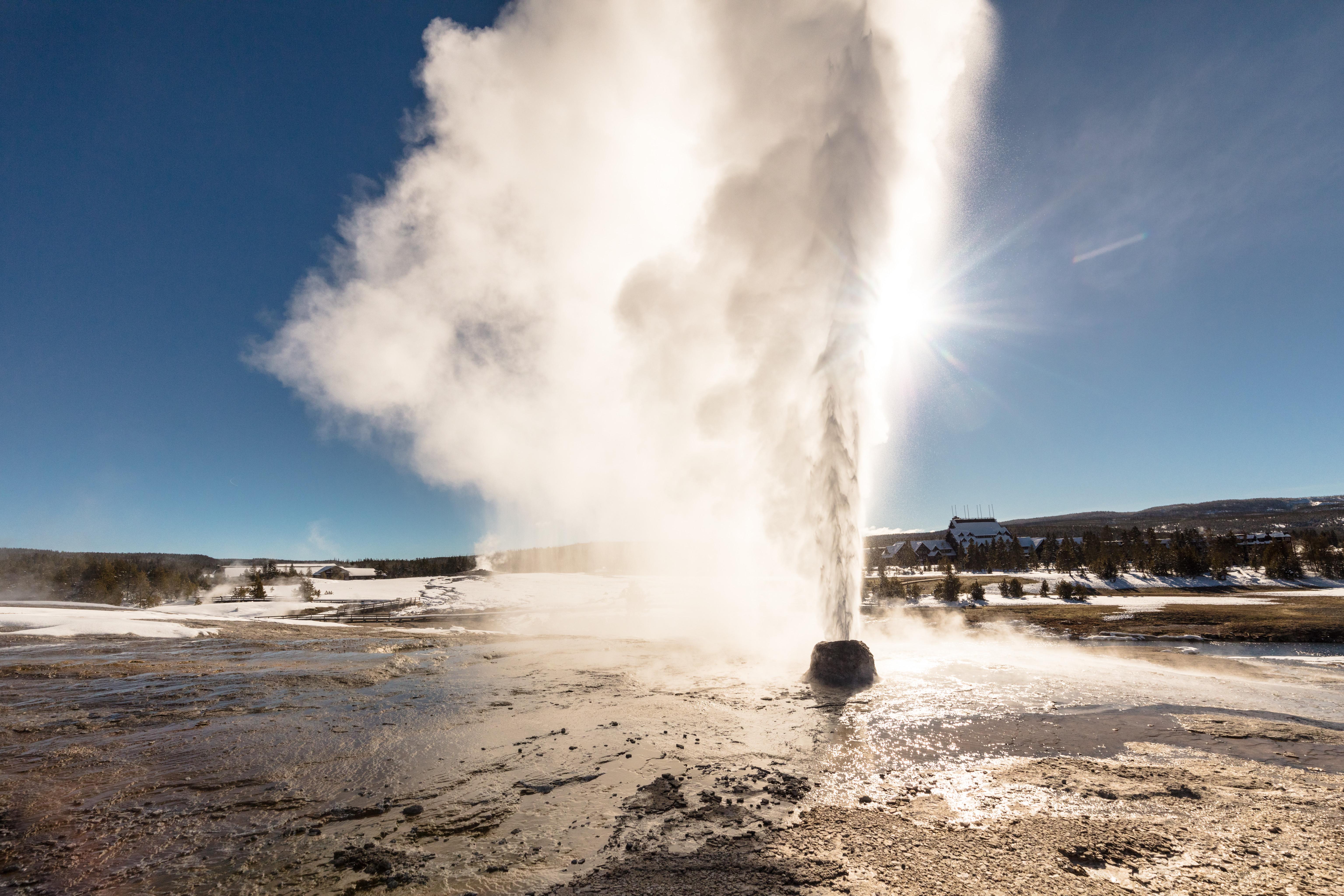
Der Yellowstone-Nationalpark, der 1872 gegründet wurde, ist der erste Nationalpark der Welt. Er ist bekannt für seine geothermischen Merkmale, darunter über 300 Geysire und eine vielfältige Tierwelt wie Bisons und Elche. Der Name des Parks stammt vom Yellowstone River, der durch ihn fließt, und nicht von den gelben Felsen, die in seinen Schluchten zu finden sind.
Besucher kommen oft, um die weiten Landschaften und einzigartigen geologischen Formationen zu erleben. Der Park umfasst jedoch 2,2 Millionen Acres, was es schwierig macht, ihn in nur ein paar Tagen vollständig zu erkunden. Um seine Schönheit zu schätzen, solltest du in Erwägung ziehen, über die Hauptstraßen und gepflasterten Wege hinauszugehen.
In Bildern
Wissenswertes
Gut zu wissen
Foto: NPS / Jacob W. Frank