Hawaiʻi Volcanoes National Park
Der Kīpukapuaulu Trail bleibt wegen zahlreicher gefährlicher Bäume und hängender Äste, die durch mehrere kürzliche Stürme entstanden sind, geschlossen. Die Verantwortlichen entwickeln einen Plan und werden den Trail wieder öffnen, wenn es sicher ist.
Hilina Pali Road jenseits des Maunaiki Trailheads wird am 14. September 2026 von 6:00 bis 16:30 Uhr von Montag bis Donnerstag für Schulterarbeiten für motorisierte Fahrzeuge gesperrt. Wanderer, Radfahrer und Inhaber von Erlaubnissen für abgelegene Gebiete erhalten Zugang, sollten jedoch mit Verzögerungen rechnen, während schwere
Die Mauna Loa Road wird vom zweiten Viehgitter (etwa zwei Meilen nach Kīpukapuaulu) bis zum Mauna Loa Lookout für Baumfällarbeiten vom 23. September bis zum 29. Oktober 2026 gesperrt. Die Baumarbeiten bereiten das Gebiet für das Mauna Loa Road Rehabilitation Project vor. Fahrzeuge
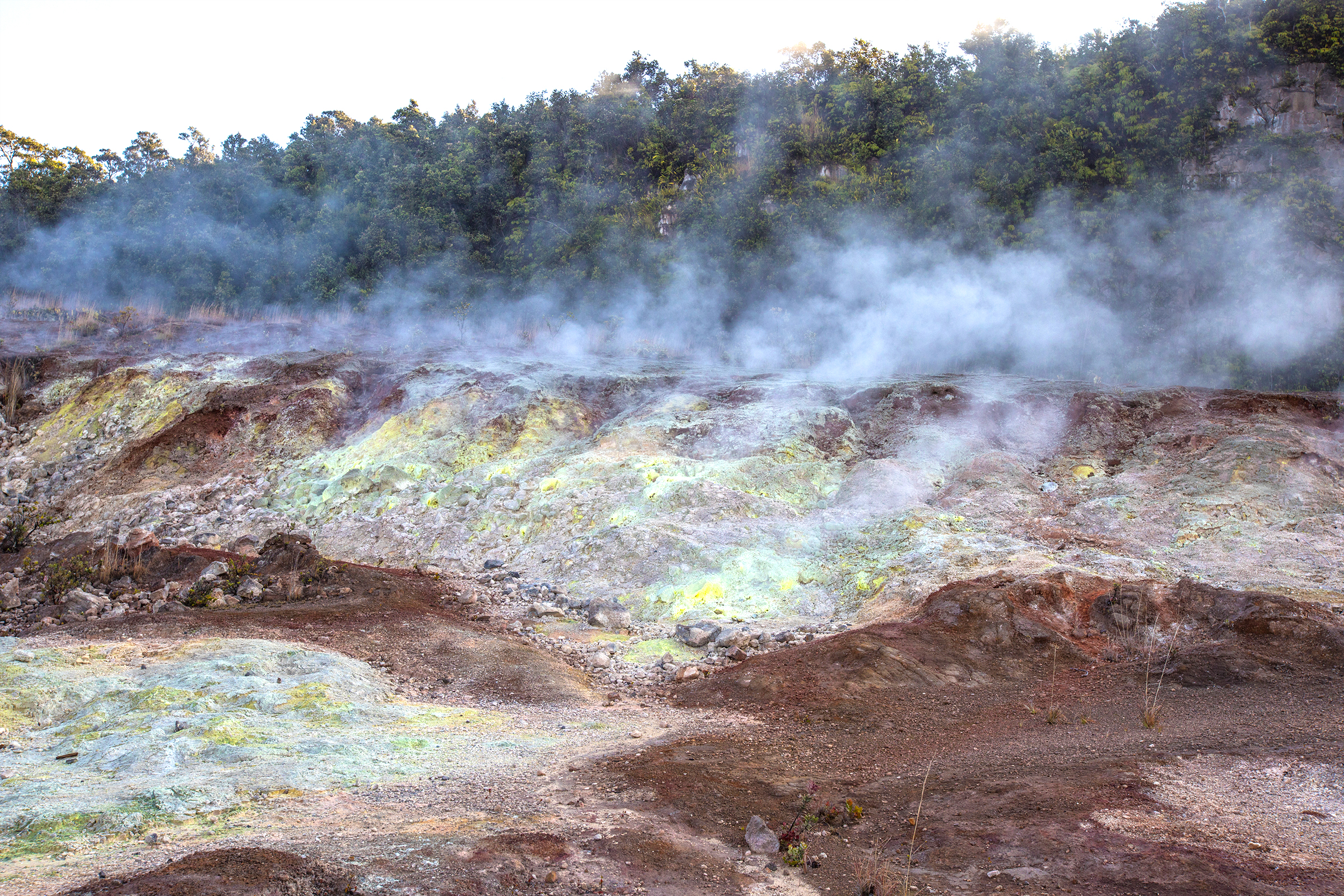
Die Sulphur Banks Brücke ist beschädigt und bis auf Weiteres geschlossen. Der Haʻakulamanu-Bereich, die Promenade und der Sulphur Banks Trail sind geöffnet und von der Westseite in der Nähe der Dampfauslässe zugänglich.
Vulkanasche, Gestein und glasige Stränge (Tefra) sind am Gipfel des Kīlauea vorhanden und können deine Haut, Augen und das Atmungssystem reizen. Zu deiner Sicherheit, berühre es nicht. Augenschutz, lange Ärmel, lange Hosen, ein Hut, geschlossene Schuhe und eine Staubmaske werden empfohlen.
Die obere Kahuku Straße bleibt jenseits der Schuhdesinfektionsstation wegen Sturmschäden geschlossen. Die Besucherstation und die meisten Wanderwege im Kahuku-Gebiet sind nach dem Hurrikan Lala jetzt geöffnet. Die Kahuku Straße oberhalb des unteren Palm Trailheads ist durch den kürzlichen starken Regen stark ausgefahren.
Vulkanische Ausbrüche können gefährlich sein. Halte dich von geschlossenen Bereichen fern und überwache die Luftqualität. Ausbrüche können einige Stunden dauern und sind oft durch Pausen von mehreren Wochen getrennt. Details
Straight from the US National Park Service, refreshed several times a day.
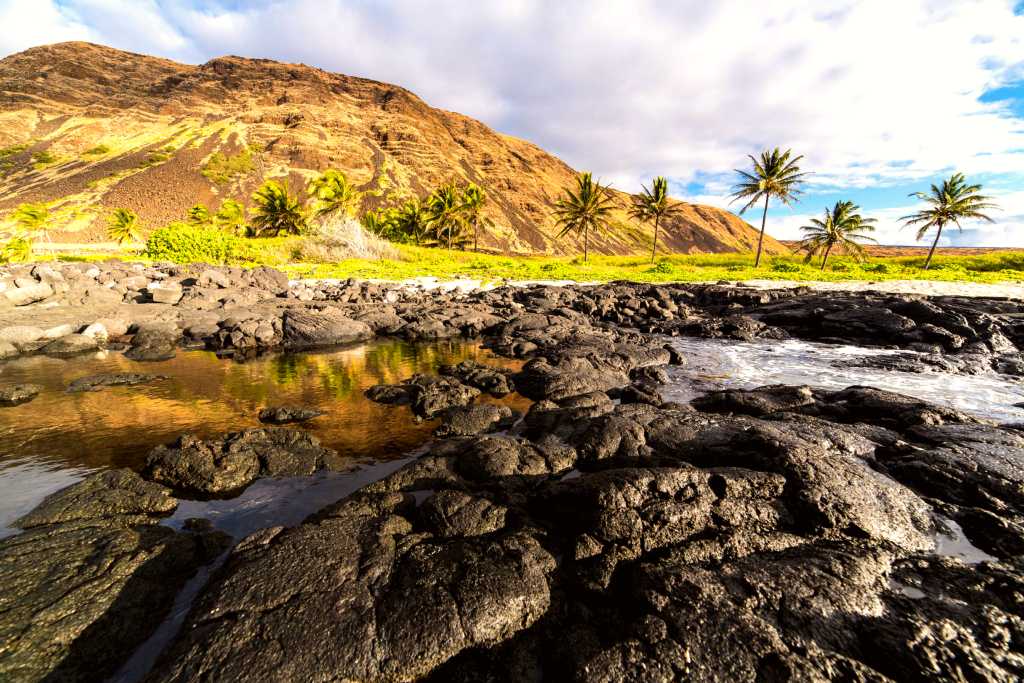
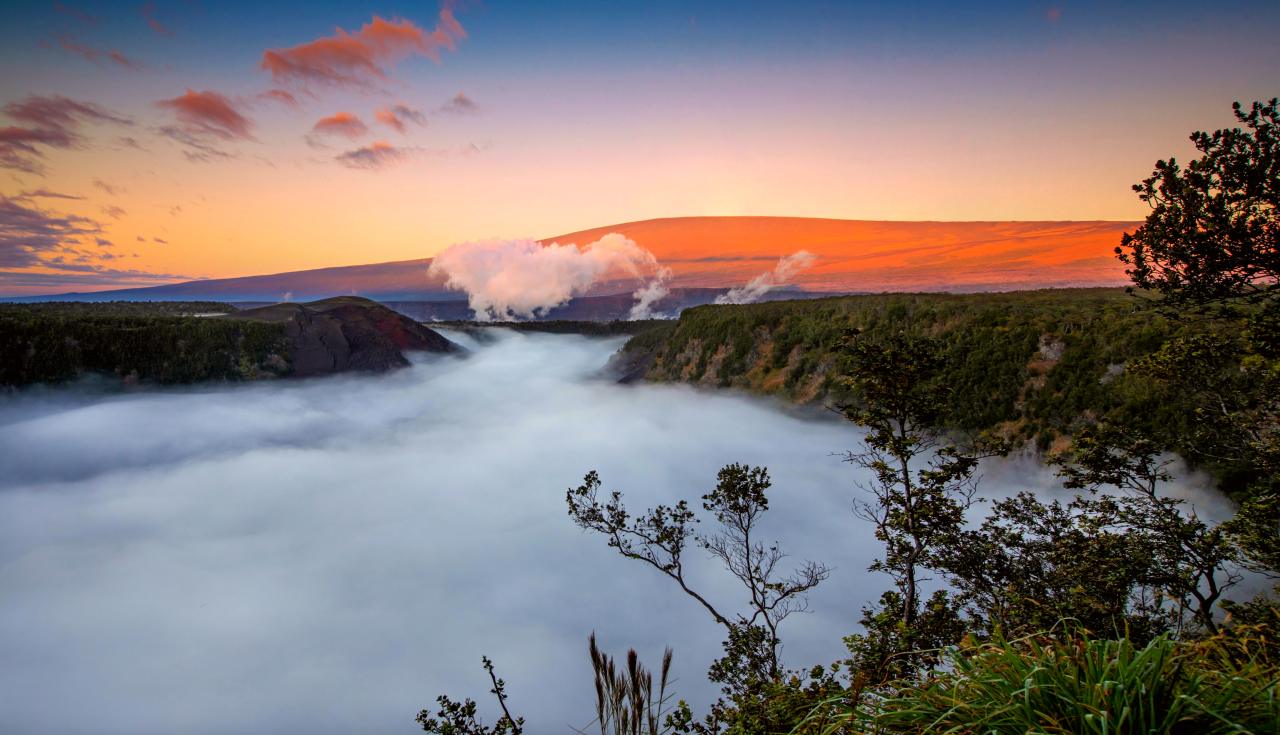
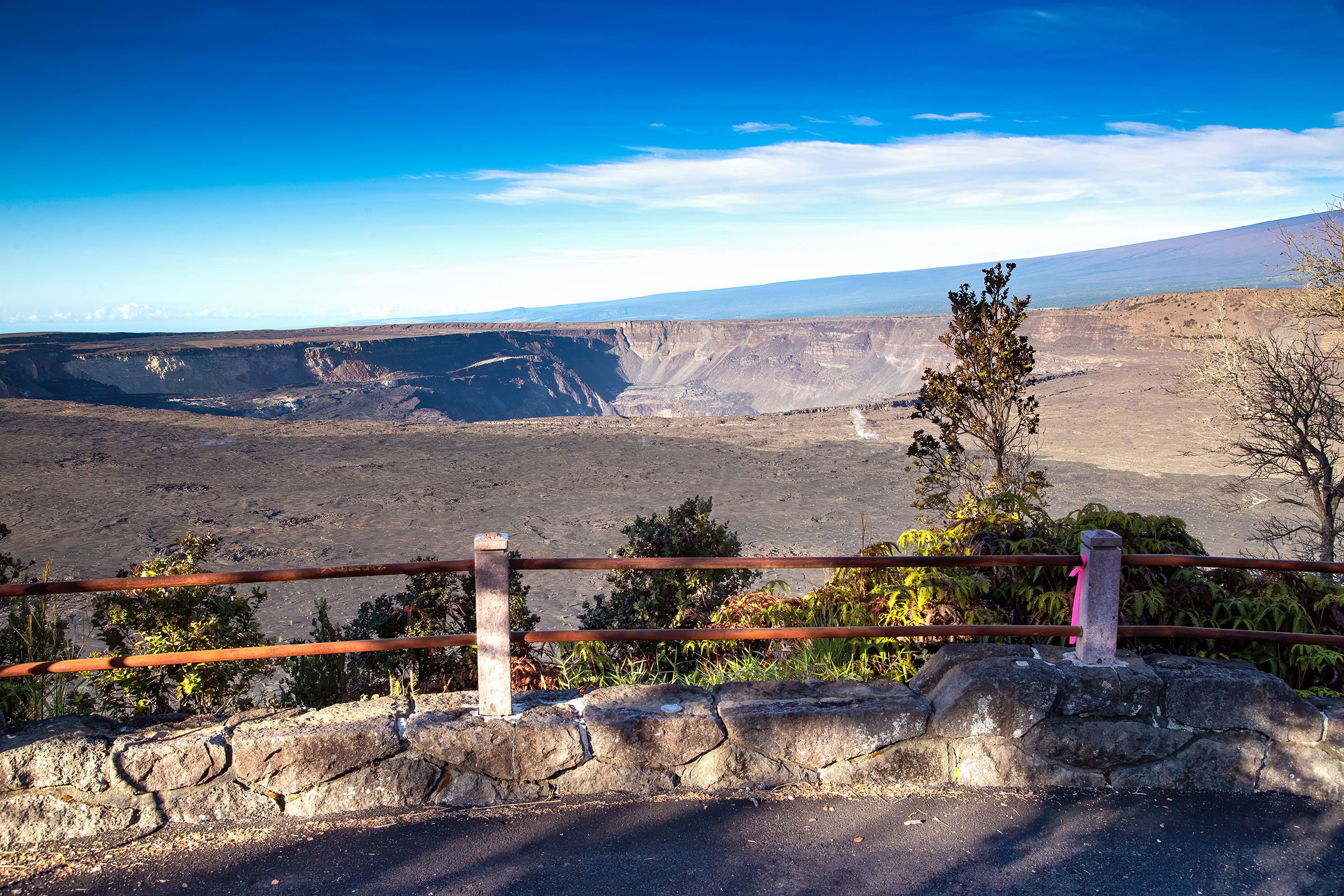
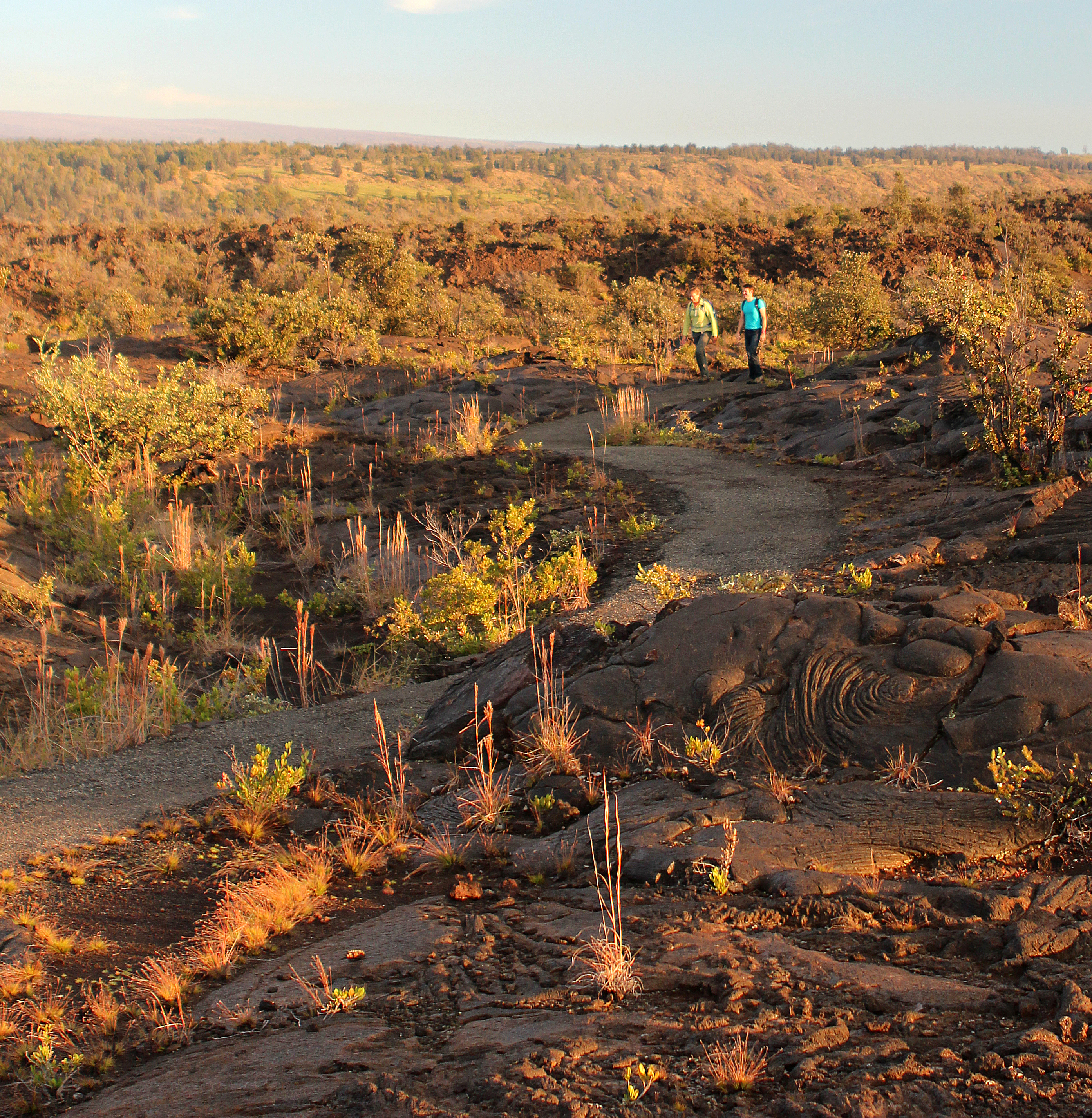
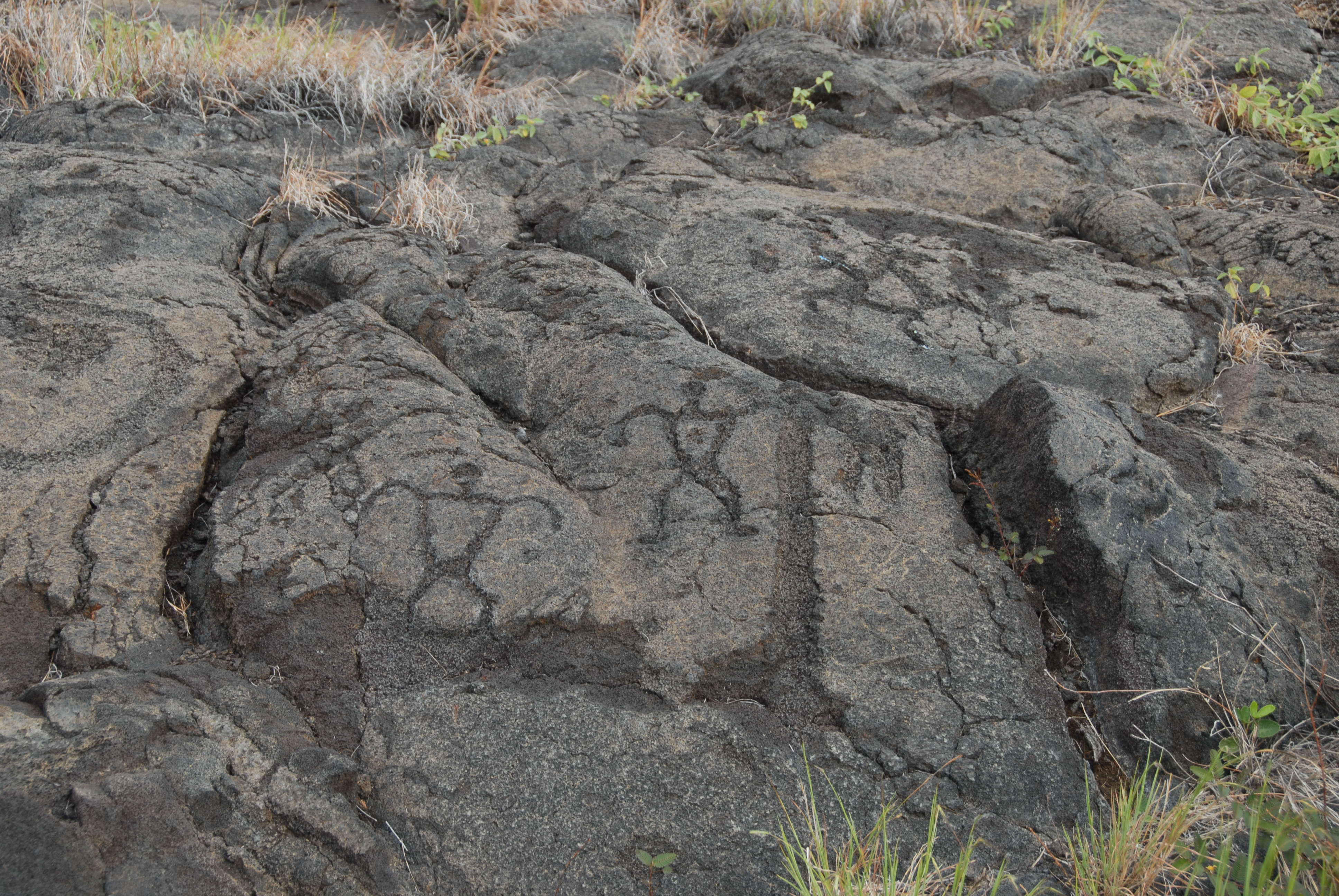
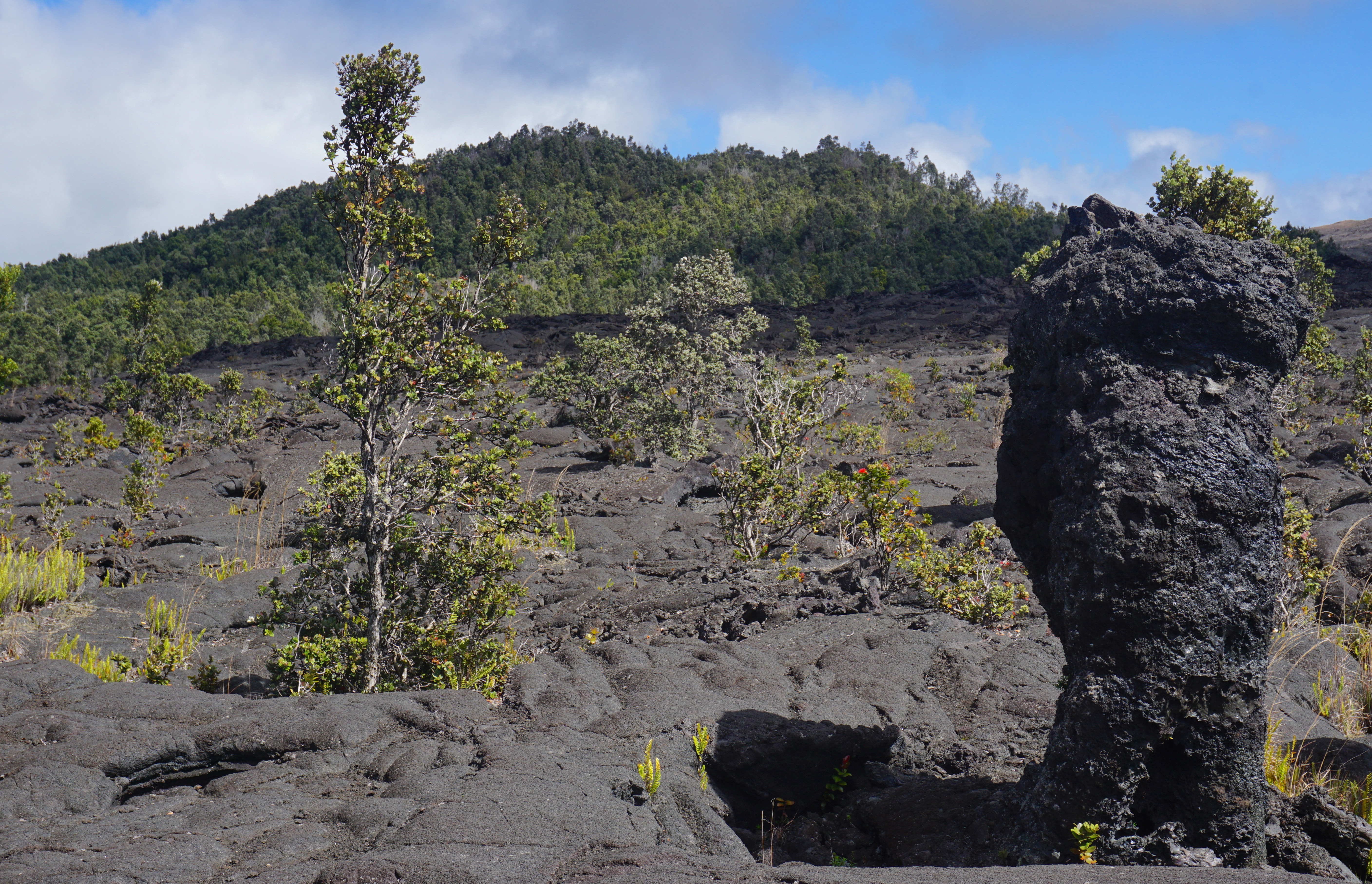
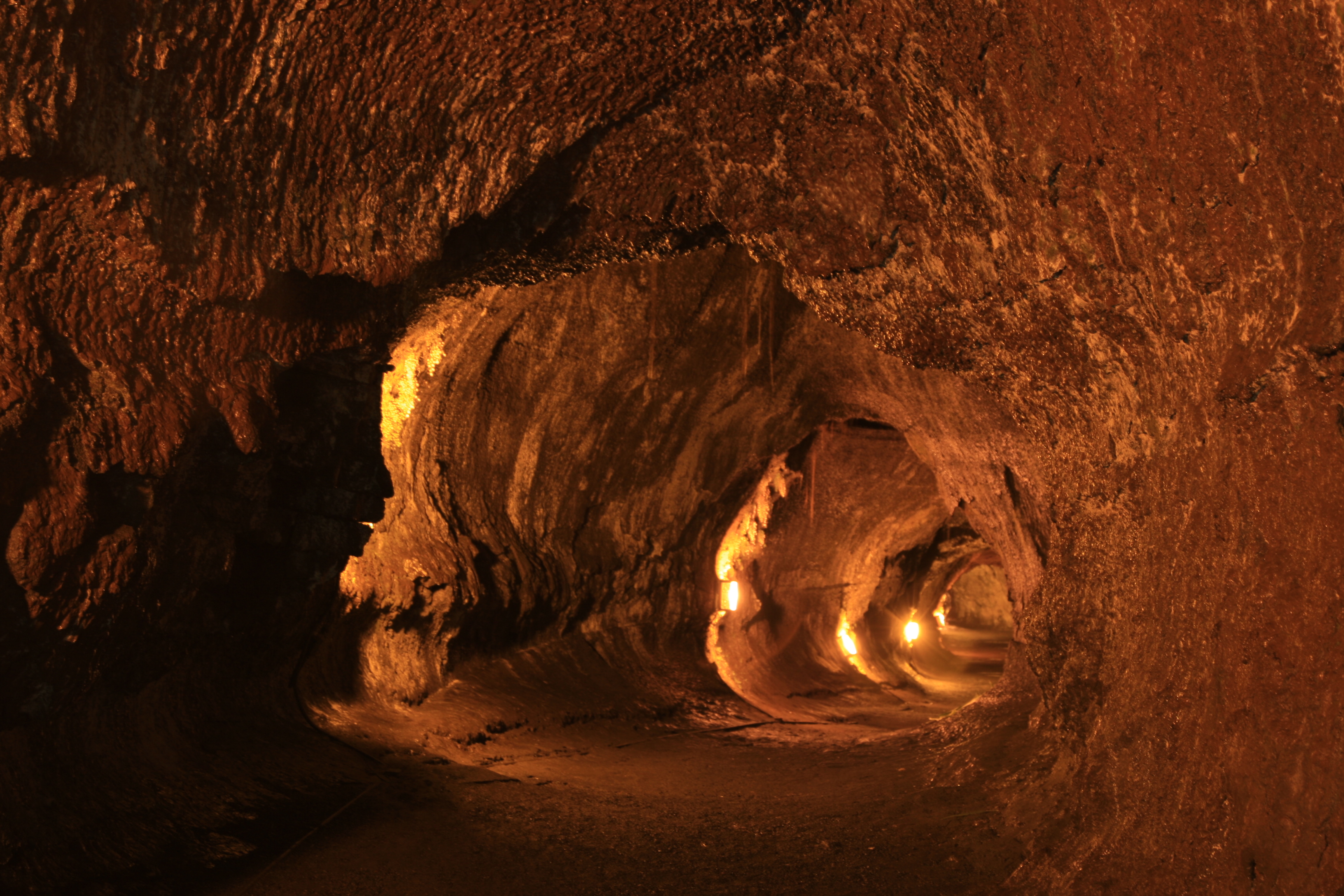
Der Hawaiʻi-Vulkan-Nationalpark ist eine einzigartige Landschaft, die durch vulkanische Aktivität geformt wurde und die beiden aktivsten Vulkane der Welt, Kīlauea und Mauna Loa, beherbergt. Besucher kommen, um die rohe Kraft der Natur zu erleben, Lava-Tuben zu erkunden und mehr über die kulturelle Bedeutung des Landes für die einheimischen Hawaiianer zu lernen.
Mehr lesen
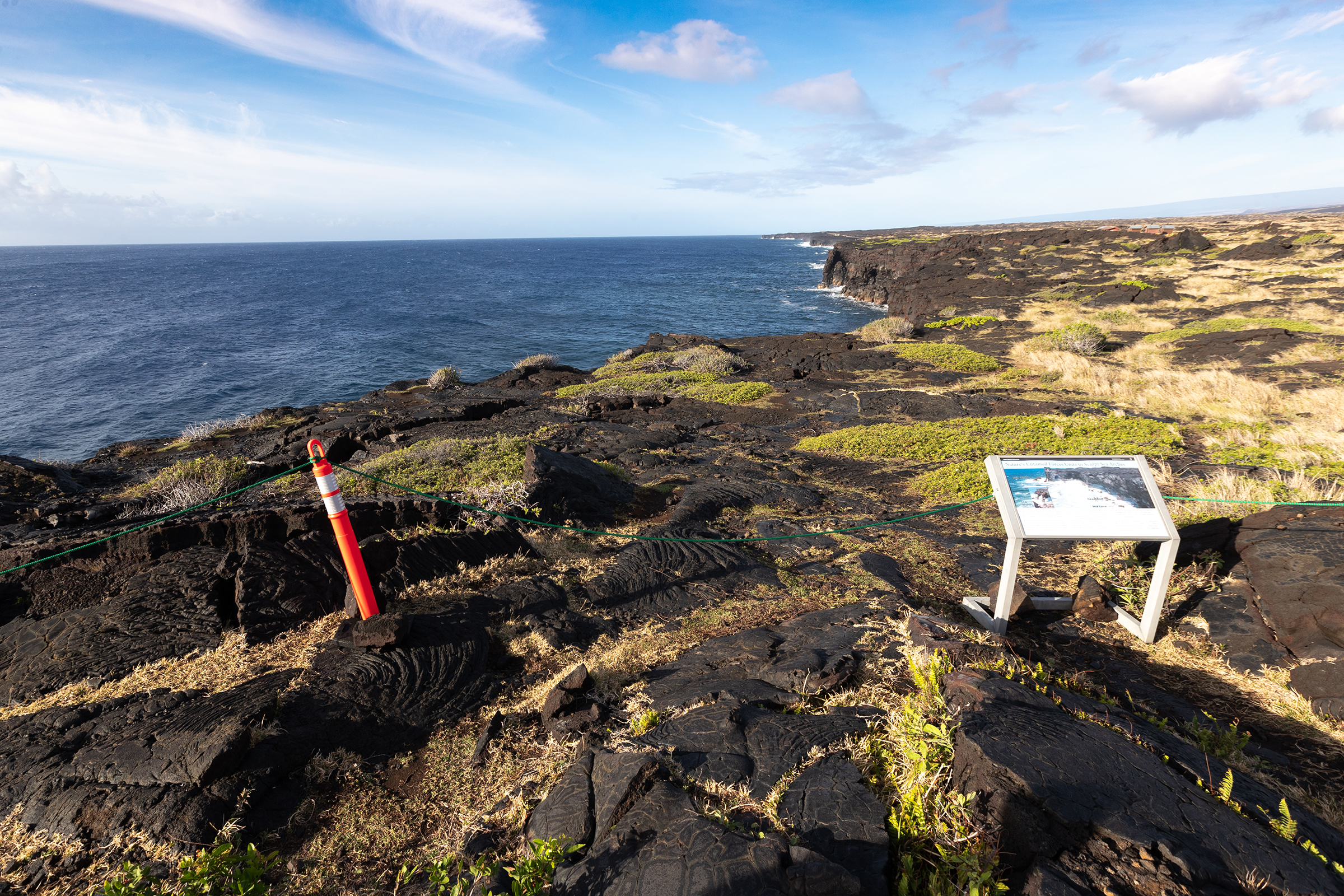
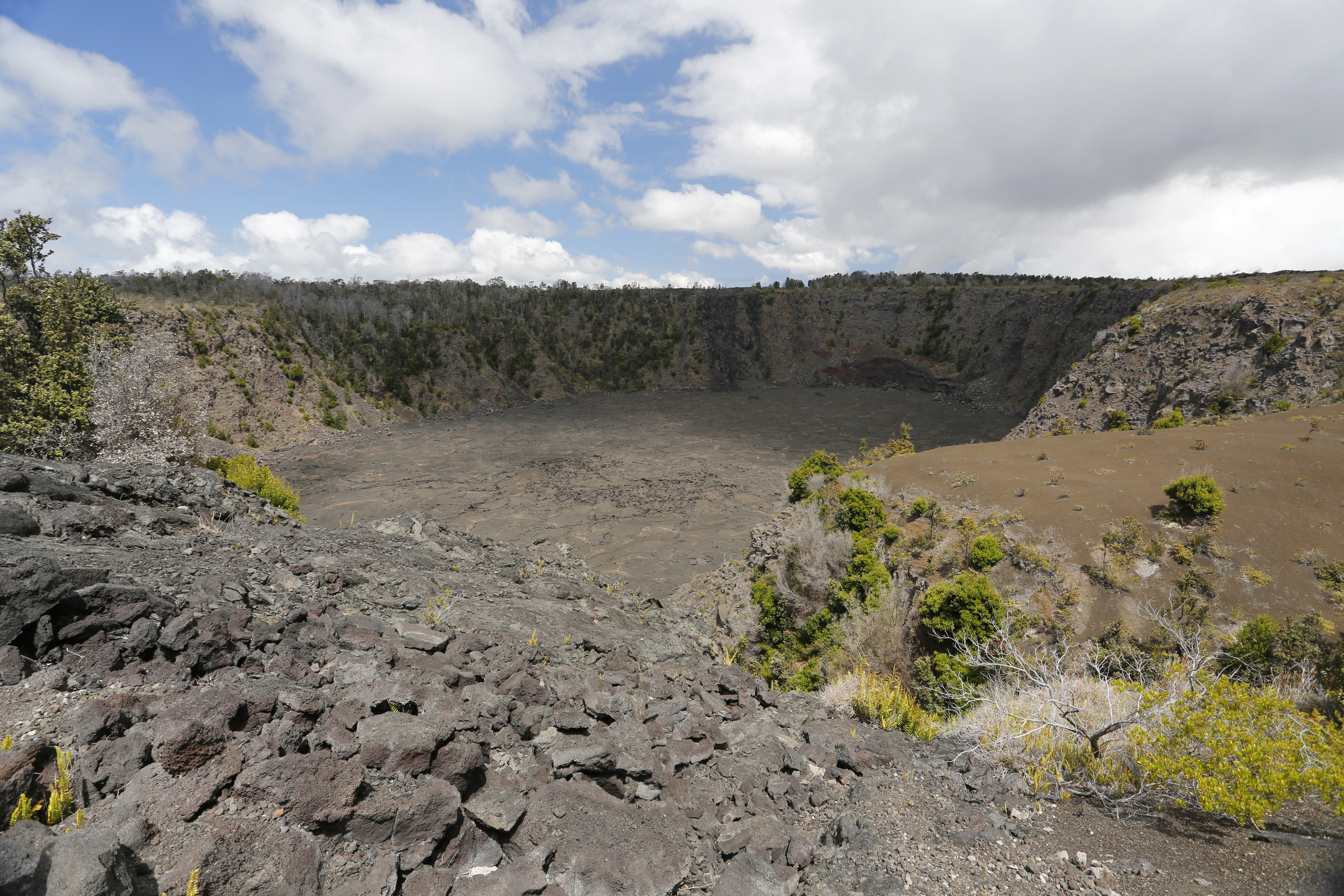
Der Park bietet verschiedene Wanderwege und Aussichtspunkte, die einen nahen Blick auf vulkanische Merkmale ermöglichen. Die Bedingungen können sich jedoch schnell ändern, und Sicherheit hat oberste Priorität. Reisende sollten auf die Elemente vorbereitet sein und die natürliche Umgebung respektieren.
In Bildern
Aktivitäten
Live now
Practical
At a glance
- Eingerichtet
- 1916
- Öffnen
- Daily open 24 hours
- Preis
- Per Person $15, Commercial Entrance - Per Pe $15, Motorcycle $25
- Barrierefreiheit
- some areas wheelchair accessible
- Öffnungszeiten
- Daily open 24 hours
- Telefon
- 8089856011
- Preis
- ~€13
- Webseite
- www.nps.gov
Wissenswertes
Foto: Courtesy of J. Frank