Haleakalā National Park
Park Closure Due to Tropical Storm Lala — Both districts of Haleakalā National Park closed this evening (8/14) due to Tropical Storm Lala—Kīpahulu at 5:00 PM and Summit at 6:30 PM. August 15th sunrise reservations and camping for August 14th are cancelled. The park will reassess after sunrise tomorrow. Check nps.gov/hale
No Water at Hosmer Campground — As of September 30, 2025, water at Hosmer Campground in the Summit District is shutoff due to a waterline break. Water is available 24-hours at Headquarters Visitor Center one mile up the road. At this point we don't have an estimate for when repairs will be complete.
Expect Long Waits at the Summit Entrance Station Before Sunset — Due to a high volume of traffic, cars may be temporarily turned around at the gate when capacity is reached. Purchasing a pass online does not guarantee entry at sunset. To ensure timely access, arrive 3 hours before sunset.
Limited Parking and Traffic Delays in Summit District — Beginning Monday, January 12, 2026 Haleakalā Visitor Center (summit district) parking lot will have limited parking due to a water infrastructure project. Expect traffic delays. The project will last several months.
Drive Cautiously - Endangered Birds on Roadway — Nēnē (Hawaiian geese) and ʻuaʻu (Hawaiian petrel) are nesting in the park and may land on or frequent park roads, parking lots, and road leading up to the park. Drivers are reminded to drive at the posted speed limits and exercise caution.
Source: US National Park Service, refreshed several times a day.
Einführung
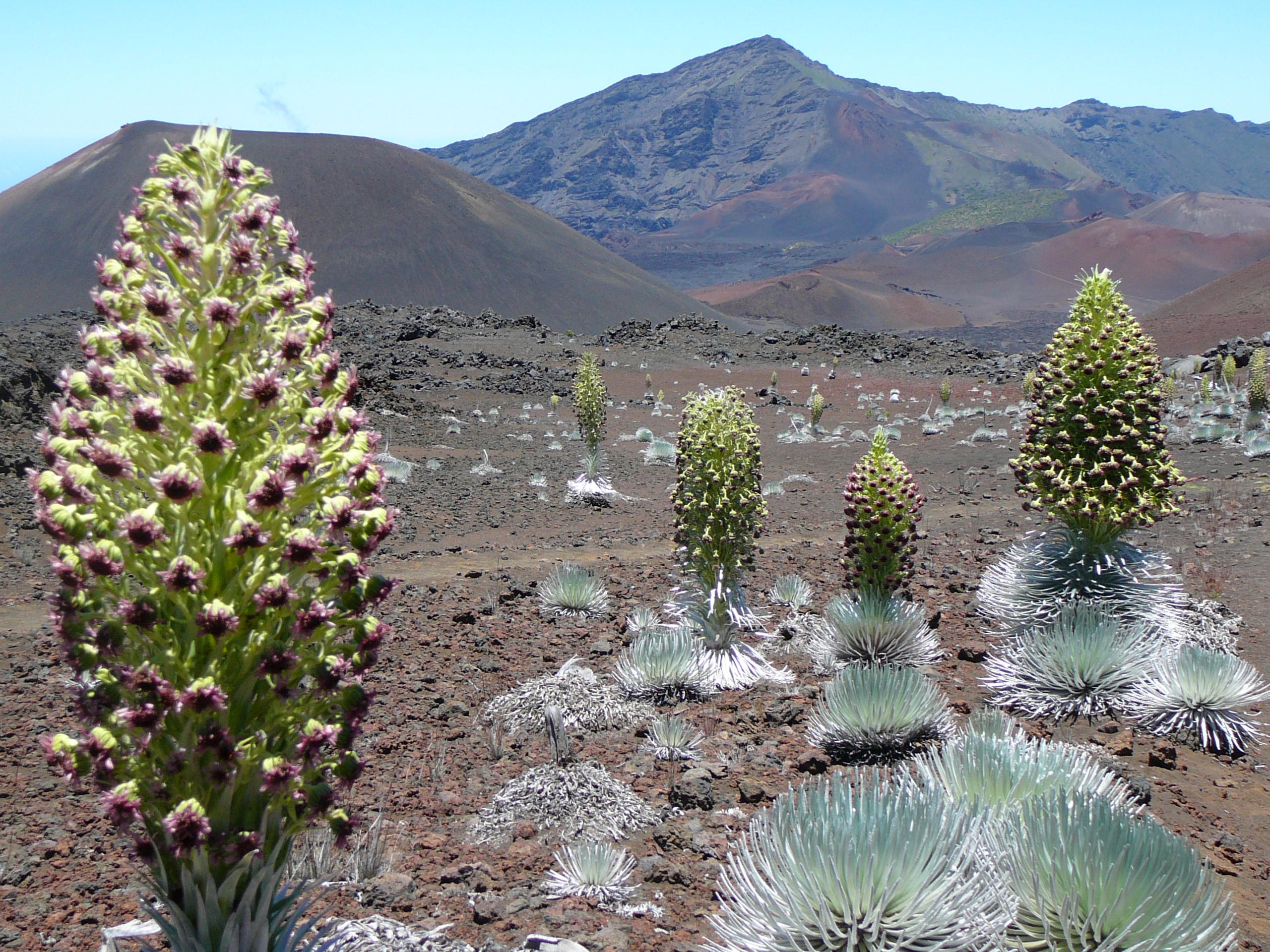
Der Haleakalā Nationalpark befindet sich auf der Insel Maui, Hawaii. Er verfügt über einen riesigen Vulkankrater und vielfältige Ökosysteme, die Besucher mit ihren einzigartigen Landschaften und Möglichkeiten für Outdoor-Aktivitäten anziehen. Viele kommen, um den Sonnenaufgang vom Gipfel aus zu erleben, ein Anblick, der zu einem beliebten Erlebnis für Reisende geworden ist, die die natürliche Schönheit suchen.
Der Park wurde 1916 gegründet und umfasst über 30.000 Acres, wobei ein erheblicher Teil als Wildnisgebiet ausgewiesen ist. Das Gelände umfasst ausgedehnte Lavaflüsse und Aschenkegel, die eine karge, aber faszinierende Umgebung schaffen. Besucher sollten auf wechselnde Wetterbedingungen vorbereitet sein und während der Hauptzeiten Reservierungen benötigen.
In Bildern
Wissenswertes
Gut zu wissen
Foto: NPS