search
search
add Neue Reise
Valais

Valais

CH
ValaisYour own route Plan a trip here →

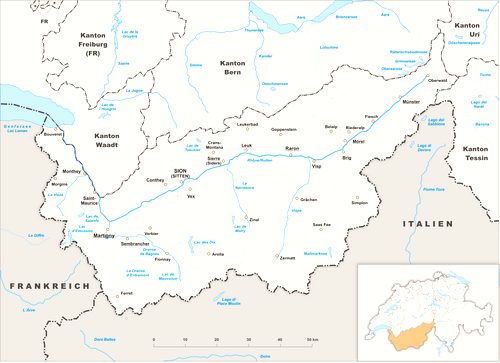
Valais, located in the heart of the Swiss Alps, offers a mix of outdoor adventures and cultural experiences. Visitors can explore the Matterhorn, hike through vineyards, and enjoy thermal baths in the region's charming towns.

Mehr lesen

The region is known for its diverse landscapes, from snow-capped mountains to lush valleys. Travelers can enjoy skiing in winter and hiking or cycling in summer, along with local wines and cheeses that reflect the area's agricultural heritage.
Sightseeing
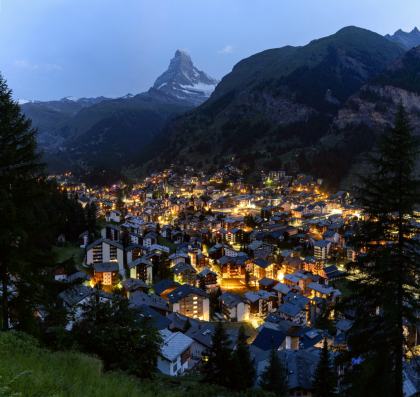
Matterhorn: Iconic mountain, popular for skiing and photography.
Zermatt: Car-free village with stunning views and hiking trails.
Sion: Historic town with a medieval castle and vineyards.
Aletsch Glacier: Largest glacier in the Alps, UNESCO World Heritage site.
Visp: Gateway to the Alps, known for its charming old town.
Brig: Historic town with the Stockalper Palace.
Saillon: Famous for its thermal baths and medieval castle.
Martigny: Cultural hub with art museums and Roman ruins.

"Explore the heart of the Alps"Valais

Lokales Essen und Trinken - Valais

Lokales Essen und Trinken

Rösti: Crispy potato dish, often served with cheese.
Fondue: Melted cheese served with bread for dipping.
Raclette: Melted cheese scraped onto potatoes and pickles.
Fendant: White wine made from Chasselas grapes, local favorite.
Valais Apricots: Sweet fruit, often used in desserts and jams.
Lokale Traditionen - Valais

Lokale Traditionen

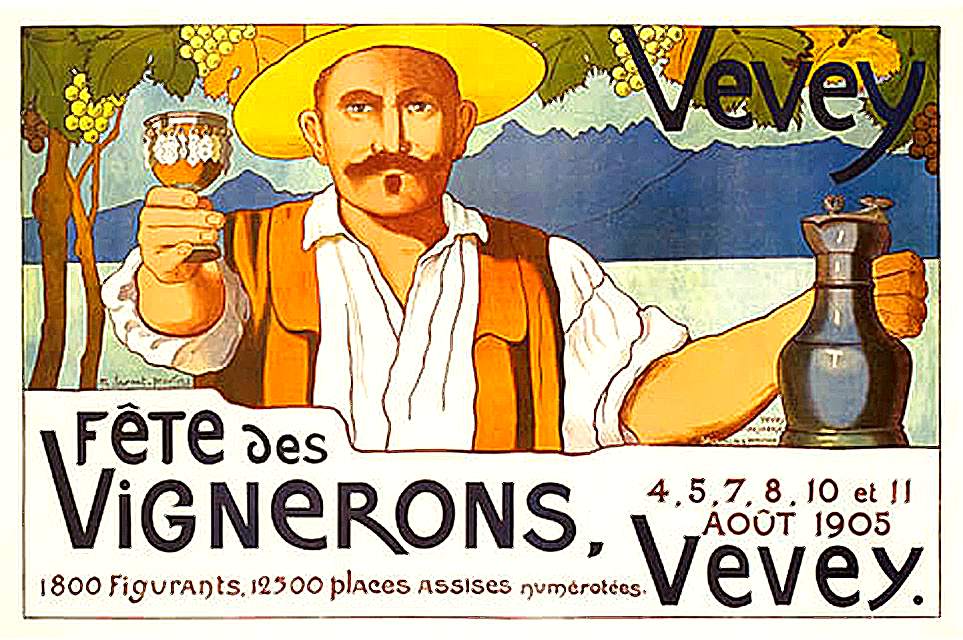
Fête de la Vigne: Wine festival celebrating local vineyards in September.
Alpabzug: Cattle descent from mountain pastures in autumn.
Carnaval de Sion: Colorful carnival with parades and costumes in February.
Fête de la Musique: Music festival held in various towns in June.

Practical

At a glance

Beste Zeit
Year-round for different activities
history_eduGeschichteexpand_more
Geschichte - Valais

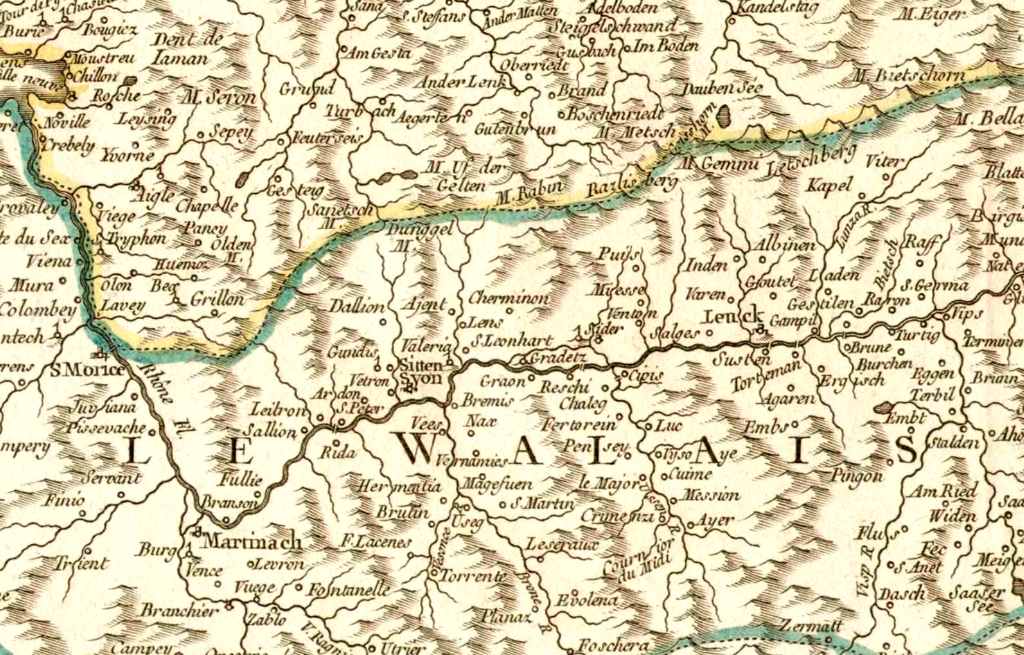
Valais has a rich history that dates back to Roman times, with evidence of settlements in the region. The area was an important trade route through the Alps, connecting northern and southern Europe.

In the Middle Ages, Valais became a center for agriculture and viticulture. The region's unique geography allowed for the development of distinct local cultures, which can still be seen in its traditions and festivals today.

Foto: Wikipedia / Wikimedia Commons