search
search
add Neue Reise

Trieste

calendar_monthApr–Jun, Sep–Oktbeste Zeit schedule3 Tageplanen für child_careJamit Kindern confirmation_numberMittelklasseprice
TriesteDeine eigene Route Hier eine Reise planen →

Trieste is a city where the Adriatic Sea meets a rich tapestry of cultures. Its streets reflect a blend of Italian, Slavic, and Austrian influences, creating a unique atmosphere. Visitors can stroll along the waterfront or explore the narrow alleys of the old town, where history is palpable in the architecture and local life.

Mehr lesen

The city's location as a border town adds to its charm. You can find Roman ruins alongside grand Habsburg-era buildings. Trieste's coffee culture is also noteworthy, with historic cafes that have served famous writers and thinkers. It's a place that invites you to linger and soak in its diverse heritage.

Sightseeing

Città Vecchia: Explore the narrow streets and medieval houses of the old town.
The Austrian Quarter: Discover palaces reminiscent of Vienna's architecture.
Piazza Unità d'Italia: Visit one of Europe's largest sea-facing squares.
Castello di Miramare: Tour the 19th-century castle overlooking the Gulf of Trieste.
Roman Theatre: See the remains of an ancient theatre near the sea.
Canal Grande: Walk along the picturesque canal lined with cafes and shops.
Museo Revoltella: Check out modern art in a historic villa.
San Giusto Cathedral: Admire the Romanesque architecture and stunning views.

"Where cultures meet by the sea"Trieste

Aktivitäten

Walk along Molo Audace: Enjoy a sunset view over the Adriatic Sea.
Hike in the Karst: Experience the limestone plateau and visit local villages like Opicina.
Take Tram #2 to Opicina: Ride the scenic tram for panoramic views of the Gulf of Trieste.
Relax at Barcola: Spend a day at the concrete beach, which is popular for sunbathing.
Visit local markets: Sample fresh produce and regional specialties, especially during the summer months when markets are more active.

Lokales Essen und Trinken

Caldaia: A traditional dish of boiled pork.
Jota: A hearty soup with pork, potatoes, and cabbage.
Gnocchi: Dumplings filled with various ingredients, including plums.
Brodetto: A flavorful fish soup.
Caffè San Marco: A historic cafe known for its coffee and pastries.
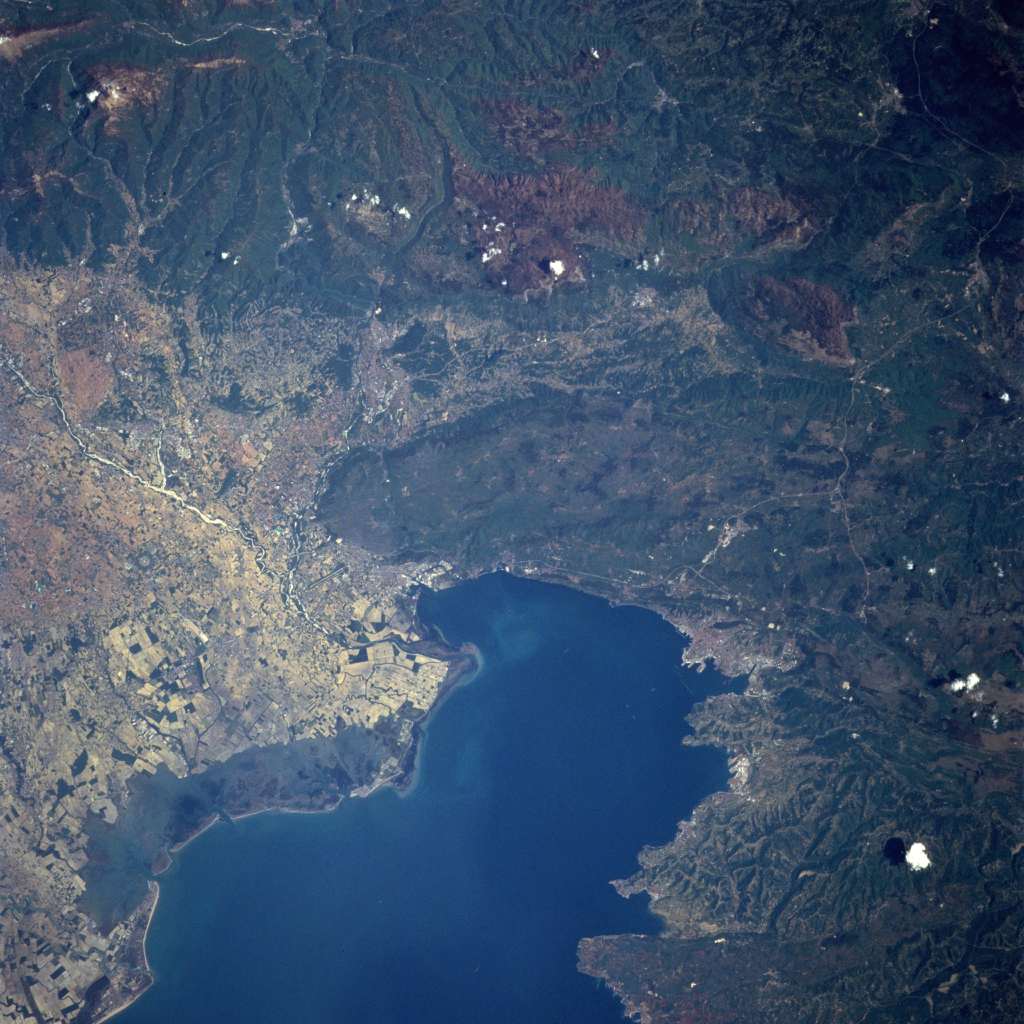
Lokale Traditionen - Trieste NASA · Gemeinfrei

Lokale Traditionen

Trieste Coffee Festival: Celebrates the city's coffee culture every autumn.
Barcolana Regatta: A famous sailing event held in October.
Festa di San Giusto: A local festival honoring the city's patron saint in June.
Carnival of Trieste: A lively celebration with parades and costumes before Lent.

Do's und Don'ts

Try local dishes at a traditional buffet.
Visit historic cafes for a coffee experience.
Explore the old town on foot for a better feel of the city.
Attend local festivals for a taste of Trieste's culture.
Don't rush through the city; take your time to explore.
Don't miss the local markets for authentic experiences.
Don't assume all cafes serve the same quality coffee.
Don't ignore the smaller streets; they often hold surprises.

Praktisches

Auf einen Blick

Gegründet
200 BC
Bevölkerung
200.000
Barrierefreiheit
Some areas are wheelchair accessible, but others have steep paths.
Price level
Mittelklasse

Wissenswertes

Be cautious of tourist traps near major attractions.
Public transport can be infrequent, especially on weekends.
Some areas may have steep streets, which can be challenging for those with mobility issues.
Check opening hours for attractions, as they can vary seasonally.
Note that some museums may have reduced hours in winter.
history_eduGeschichteexpand_more

Trieste has a complex history shaped by its strategic location. Originally a Roman settlement, it became a significant port under the Habsburg Empire. The city flourished as a trade hub, attracting diverse cultures and communities. This blend is evident in its architecture and culinary traditions.

In the 20th century, Trieste faced political turmoil, especially after World War I and II. It changed hands multiple times, impacting its cultural identity. Today, it stands as a testament to resilience, with a rich heritage that reflects its past as a crossroads of Europe.

Bildnachweise (1)