search
search
add Neue Reise
Trentino-Alto Adige

Trentino-Alto Adige

IT calendar_monthSpring and Autumnbest time
Trentino-Alto AdigeYour own route Plan a trip here →

Trentino-Alto Adige offers a mix of Italian and Austrian cultures, evident in its architecture and cuisine. The Dolomites provide a backdrop for outdoor activities like hiking and skiing, while charming towns like Bolzano showcase local history and art.

Mehr lesen

Visitors can explore vineyards producing excellent wines, particularly in the Adige Valley. The region's unique blend of languages and traditions creates a rich experience for those willing to engage with both the natural beauty and cultural heritage.
Sightseeing
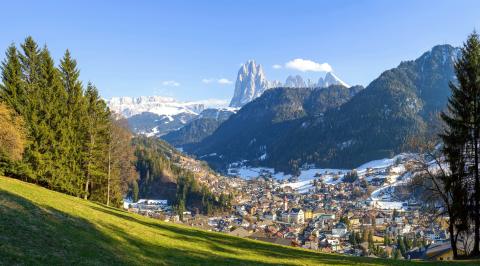
Dolomites: famous for their dramatic peaks and outdoor sports
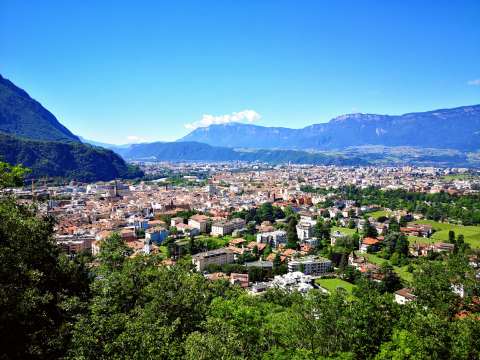
Bolzano: home to the South Tyrol Museum of Archaeology
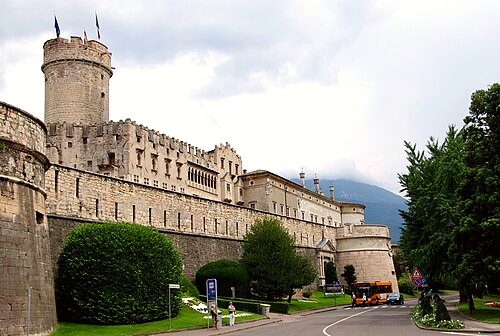
Trento: known for its Renaissance architecture and castle
Merano: a spa town with beautiful gardens
Lake Garda: Italy's largest lake, perfect for water activities
Castel Thun: a well-preserved medieval castle
Val di Fassa: a valley popular for skiing and hiking
Ortisei: a picturesque village in the Val Gardena

"Where Italy Meets the Alps"Trentino-Alto Adige

Lokales Essen und Trinken - Trentino-Alto Adige

Lokales Essen und Trinken

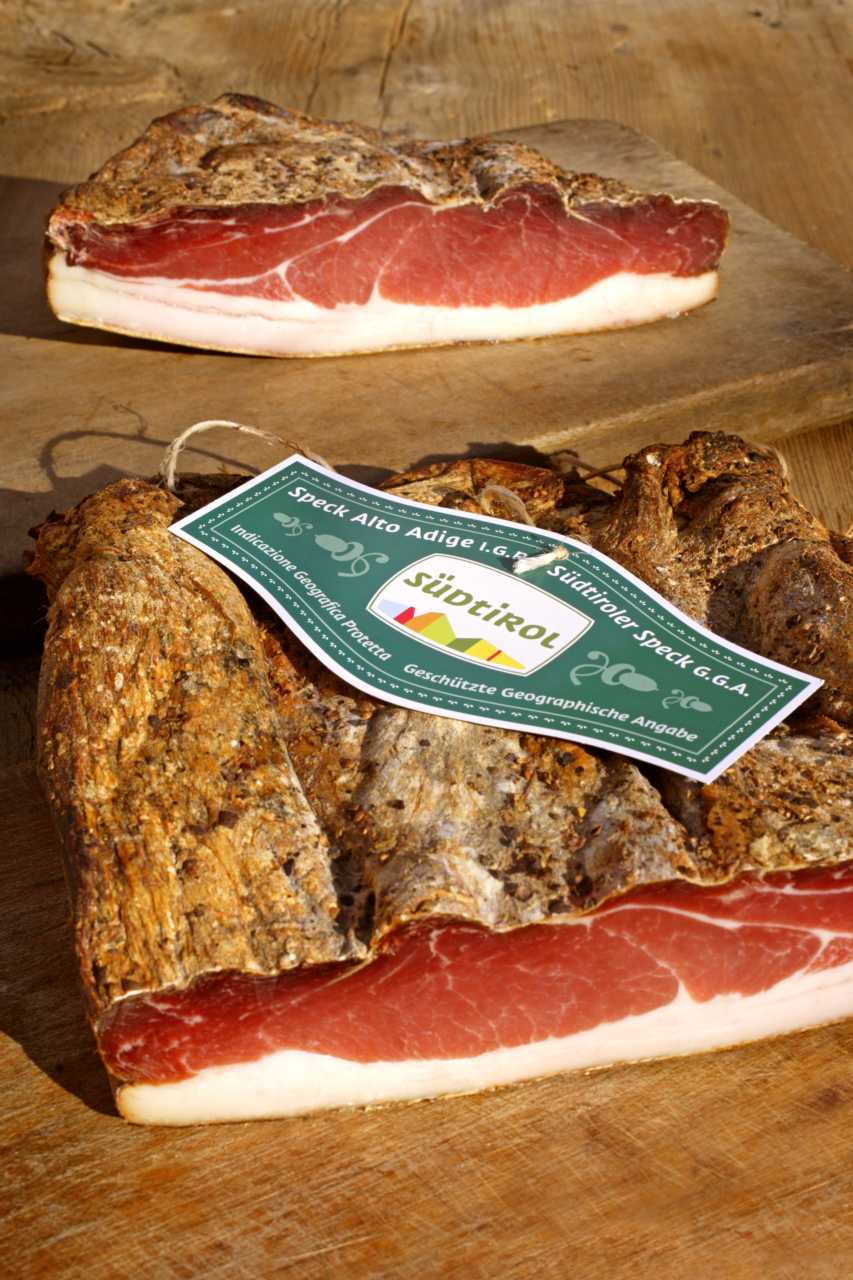
Speck: cured ham, often served with bread and cheese
Canederli: bread dumplings, typically served in broth
Strudel: a pastry filled with apples or other fruits
Gewürztraminer: a fragrant white wine from the region
Polenta: a staple dish made from cornmeal, often served with meats
Lokale Traditionen - Trentino-Alto Adige

Lokale Traditionen

Törggelen: a harvest festival featuring local wine and food
Christmas Markets: festive markets in towns like Bolzano
Festa della Madonna: a celebration in Trento with processions
Ski World Cup: an annual event in the Dolomites attracting international athletes

Practical

At a glance

Beste Zeit
Spring and Autumn
history_eduGeschichteexpand_more

Trentino-Alto Adige has a complex history influenced by both Italian and Austrian rule. After World War I, the region was annexed by Italy, leading to a blend of cultures that is still evident today.

The region's strategic location in the Alps has made it a crossroads for trade and migration for centuries. This history is reflected in its architecture, language, and culinary traditions, making it a fascinating area for exploration.

Foto: Wikipedia / Wikimedia Commons