search
search
add Neue Reise
Genoa
Reiseziele › … › Italien › Ligurien

Genua

calendar_monthApr–Jun, Sep–Oktbest time schedule3 Tageplan for child_careYeswith kids confirmation_numberMittelklasseprice
GenuaYour own route Plan a trip here →

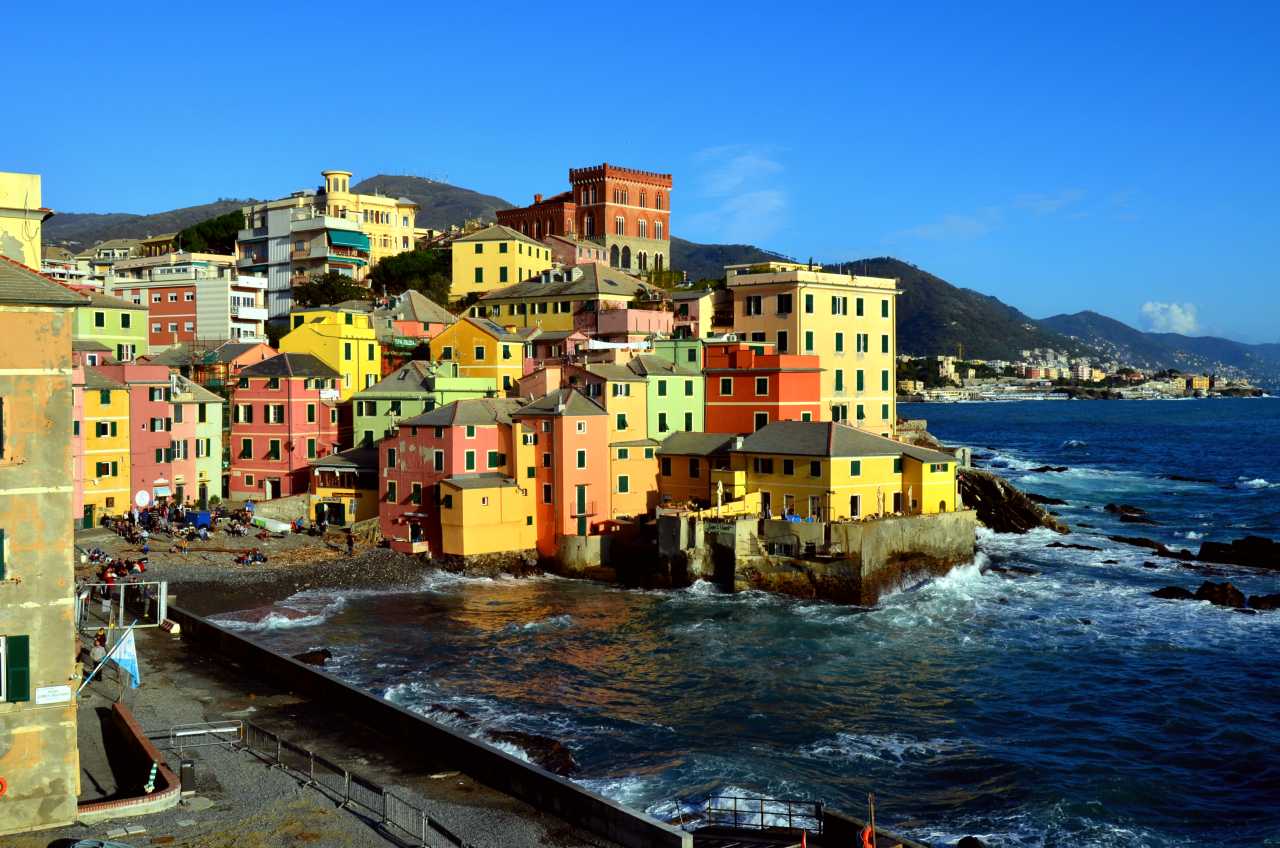
Genoa is a city where history and modern life intertwine. Its narrow streets, known as vicoli, reveal a blend of ancient architecture and contemporary culture. The port area is lively, with locals and visitors enjoying the waterfront, while the historical center invites exploration of its rich past.

Mehr lesen

Visitors often find surprises around every corner, from grand palaces to quaint cafes. The city's charm lies in its imperfections, with crumbling facades and vibrant street art. Genoa serves as a gateway to the Italian Riviera, making it a practical base for day trips to nearby coastal towns.

In Bildern

Genoa
Genoa
Genoa
Genoa
Genoa
Genoa

Sightseeing

Cristoforo Colombo House: The childhood home of the famous explorer.
Spianata Castelletto: A viewpoint offering panoramic views of the city.
Palazzo Ducale: A historic palace that hosts art exhibitions and cultural events.
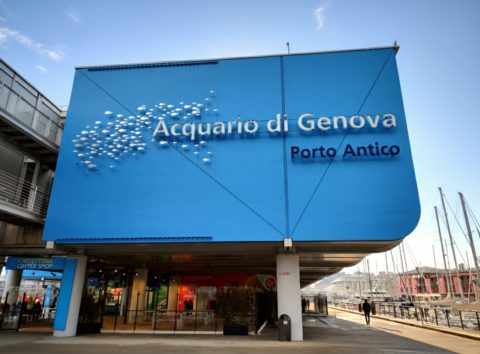
Aquarium of Genoa: One of the largest aquariums in Europe, featuring diverse marine life.
Cattedrale di San Lorenzo: The city's cathedral known for its striking black and white facade.
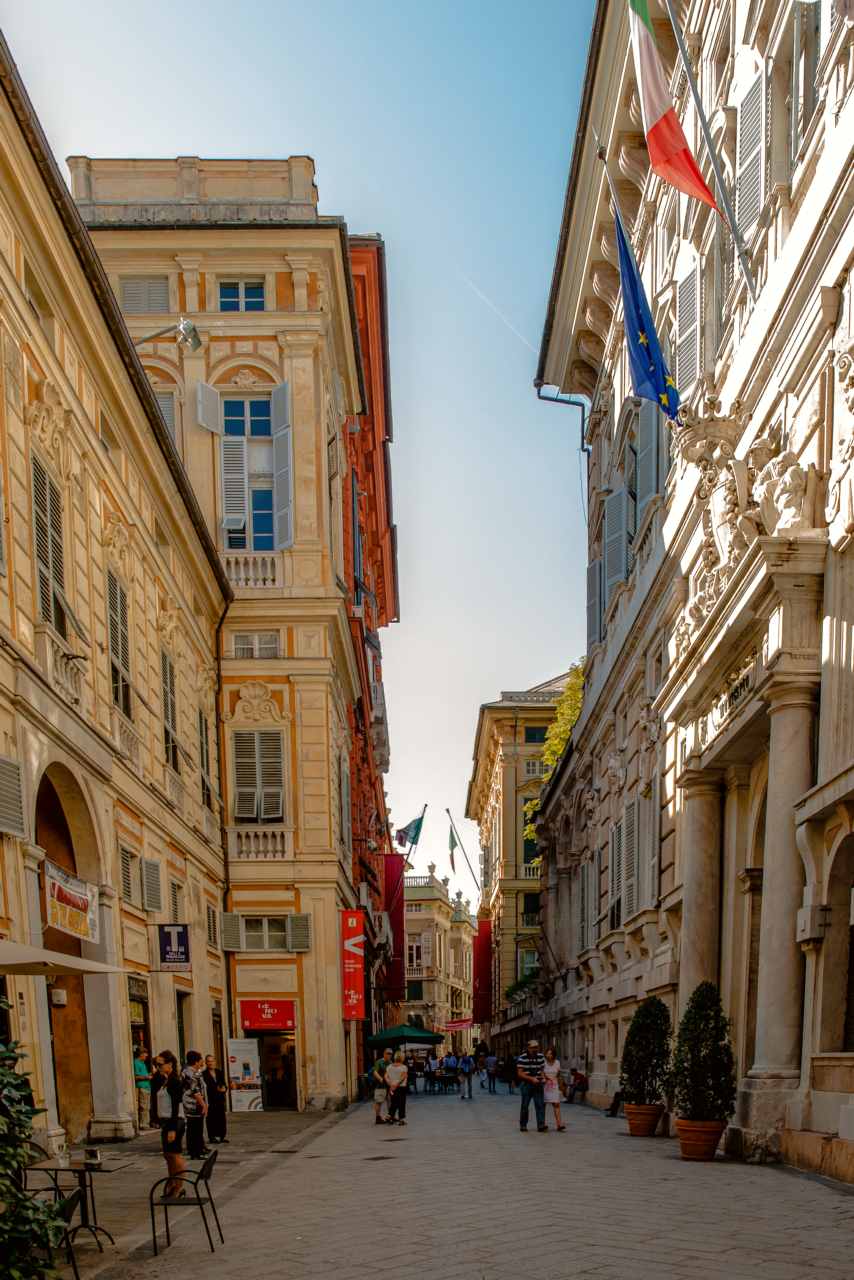
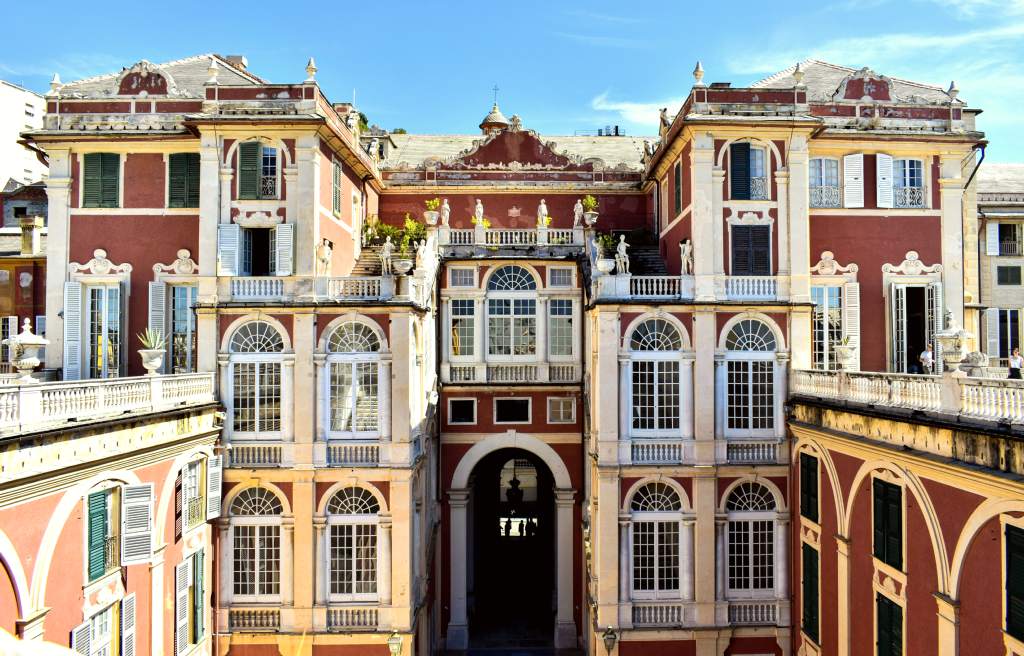
Via Garibaldi: A UNESCO World Heritage site lined with Renaissance palaces.
Castello d'Albertis: A castle that houses a museum of world cultures.
Porto Antico: The old port area revitalized with shops and restaurants.

"A city of history and flavor"Genoa

Aktivitäten

Wander through the Caruggi: Explore the maze of narrow streets in the historical center.
Visit the local markets: Experience the flavors of Genoa at Mercato Orientale.
Take a boat tour: Enjoy views of the coastline from the water.
Relax in the parks: Spend time in Villa Durazzo Pallavicini or Villa di Negro.
Attend a local festival: Participate in events like the Festival of Saint John in June.
Lokales Essen und Trinken - Genoa

Lokales Essen und Trinken

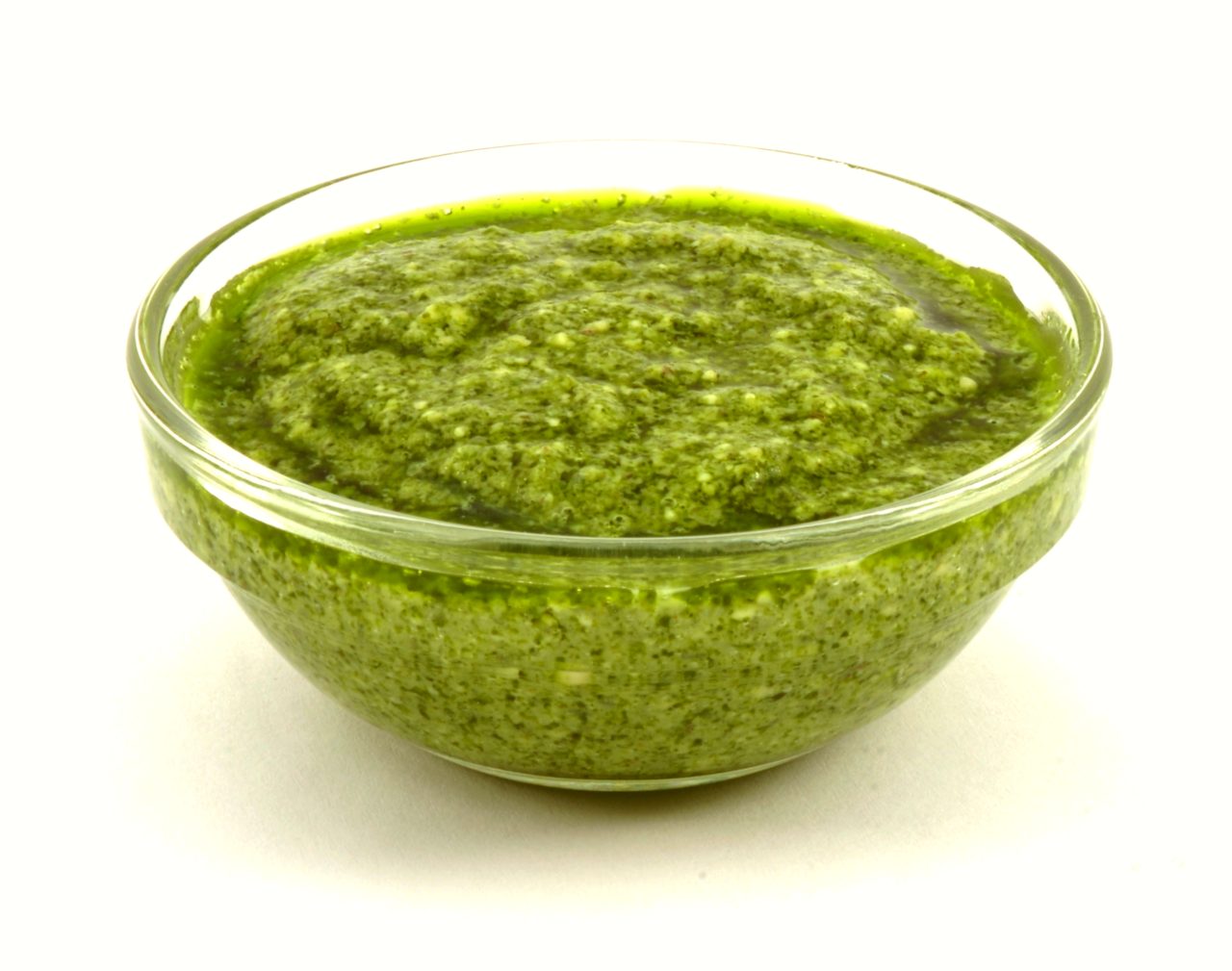
Pesto alla Genovese: A basil-based sauce served with pasta, originating here.
Focaccia: A flatbread often topped with herbs or onions, perfect for snacking.
Torta Pasqualina: A savory pie filled with greens and eggs, traditionally eaten during Easter.
Farinata: A chickpea pancake, crispy on the outside and soft inside.
Local wines: Try Vermentino or Rossese, both produced in the Liguria region.
Lokale Traditionen - Genoa

Lokale Traditionen

Festa di San Giovanni: Celebrated in June with fireworks and parades.
Palio del Golfo: A historic rowing competition held in August.
Festa della Madonna della Guardia: A religious festival in September honoring the city's patron saint.
Carnevale di Genova: A lively carnival with parades and costumes before Lent.

Do's und Don'ts

Try the local cuisine at family-run trattorias.
Explore the historical center on foot to fully appreciate its charm.
Visit the local markets for fresh produce and regional specialties.
Take time to relax at a café and enjoy the atmosphere.
Don't rush through the city; take your time to explore.
Don't ignore the smaller streets; they often hold the best surprises.
Don't expect all attractions to be open year-round; check schedules.
Don't forget to try the local specialties; they are part of the experience.
Die Schichten von Genuas Geschichte erkunden

Die Schichten von Genuas Geschichte erkunden

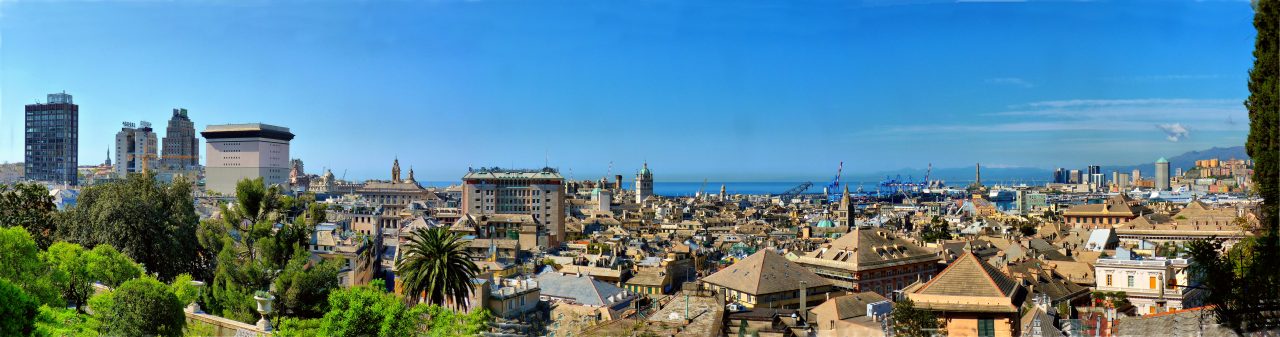
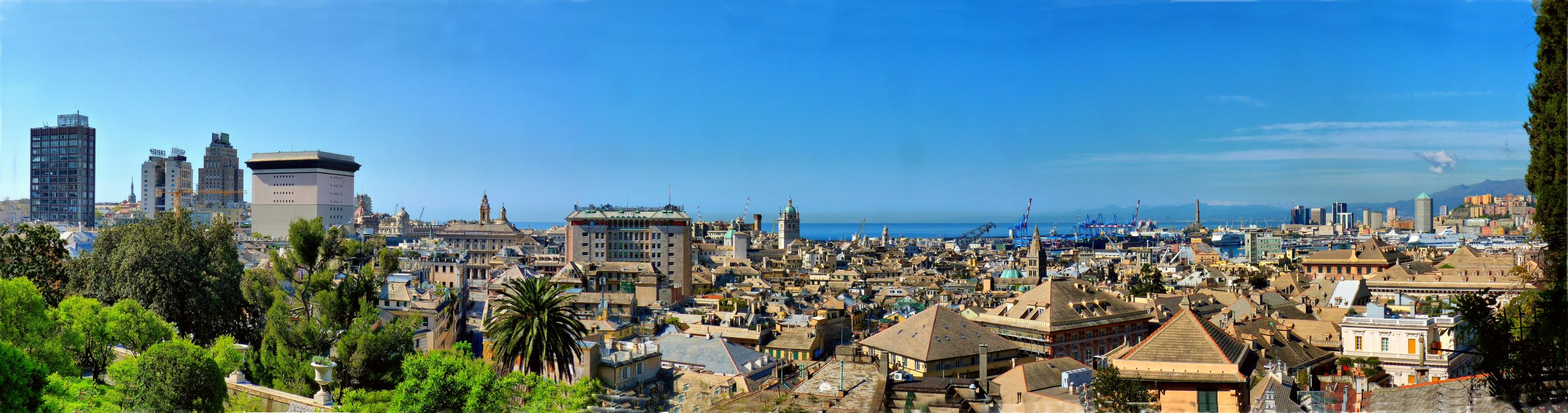
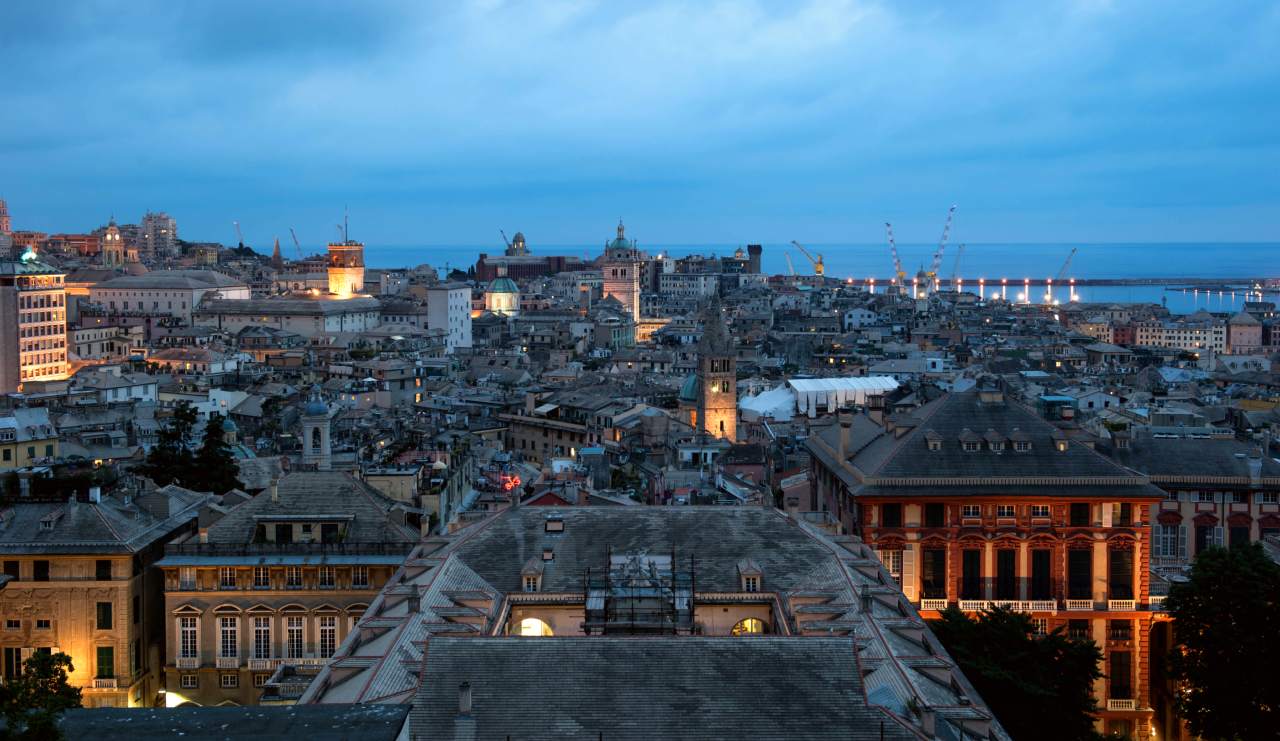
Der Blick von der Villetta Di Negro bietet ein weites Panorama über das historische Zentrum von Genua. Man sieht die kunstvollen Dächer und die engen Gassen, die sich durch die Stadt schlängeln. Nimm dir einen Moment Zeit, um die Mischung aus mittelalterlicher und barocker Architektur zu schätzen. Die Gegend ist weniger überlaufen als der Hafen, was einen ruhigen Spaziergang ermöglicht. Halte Ausschau nach kleinen Geschäften, die lokale Handwerkskunst verkaufen, und nach gelegentlichen Straßenmusikern. Dieser Aussichtspunkt ist perfekt, um das Wesen von Genua einzufangen, wo jede Ecke eine Geschichte zu erzählen hat.
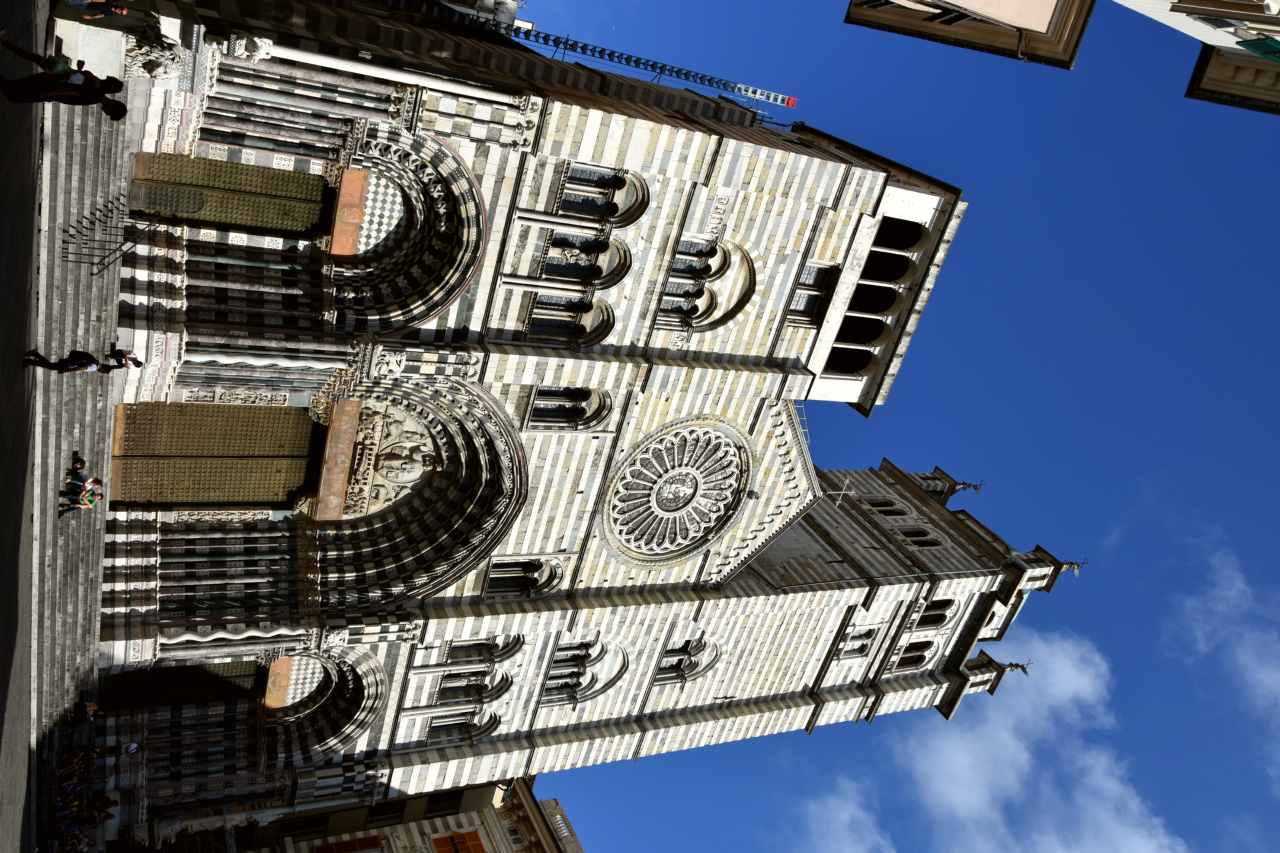
Die beeindruckende Kathedrale San Lorenzo besuchen

Die beeindruckende Kathedrale San Lorenzo besuchen

Die Kathedrale San Lorenzo sticht mit ihrer schwarz-weißen gestreiften Fassade hervor. Im Inneren beherbergt die Kathedrale wunderschöne Kapellen und kunstvolle Werke, darunter einen atemberaubenden silbernen Altar. Die Atmosphäre ist friedlich, was sie zu einem tollen Ort für Besinnung macht. Achte auf die Öffnungszeiten, da sie variieren können. In der Nähe findest du die belebte Piazza San Lorenzo, wo du einen Kaffee genießen und das Treiben beobachten kannst. Die Kathedrale ist nicht nur ein religiöser Ort; sie ist ein Zeugnis von Genuas reicher Geschichte und architektonischem Können.
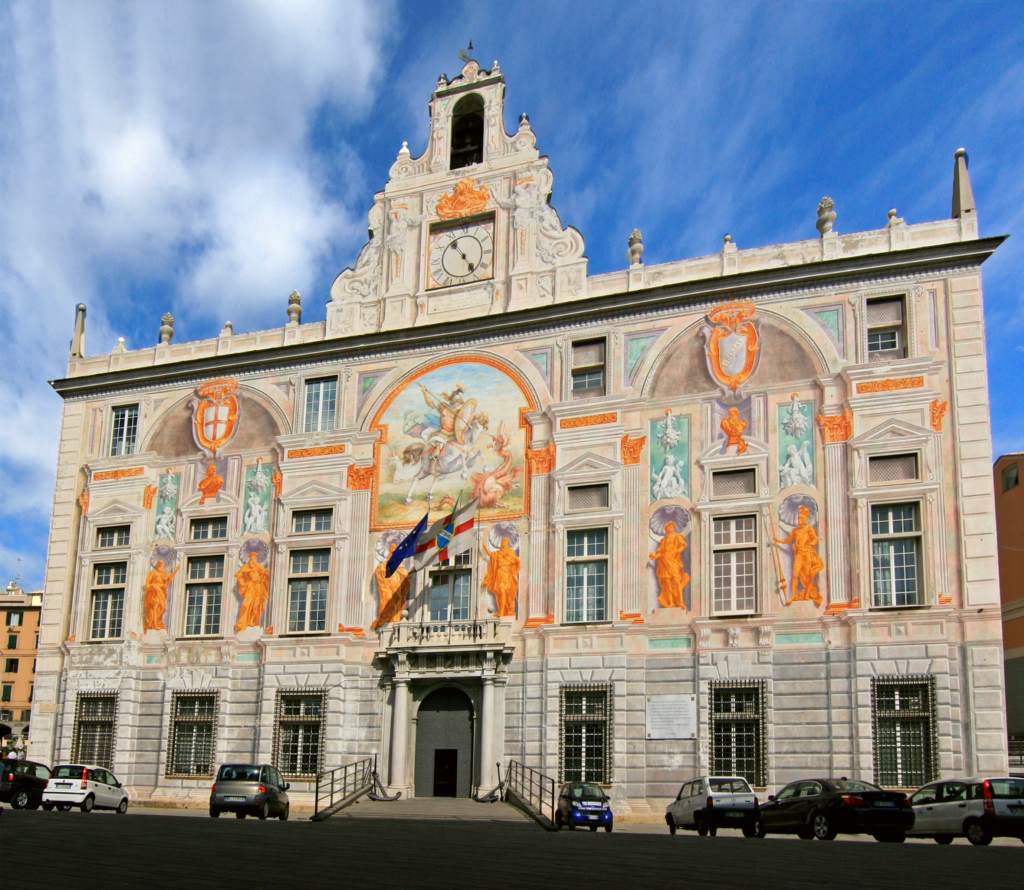
Die Geschichte des Palazzo San Giorgio entdecken

Die Geschichte des Palazzo San Giorgio entdecken

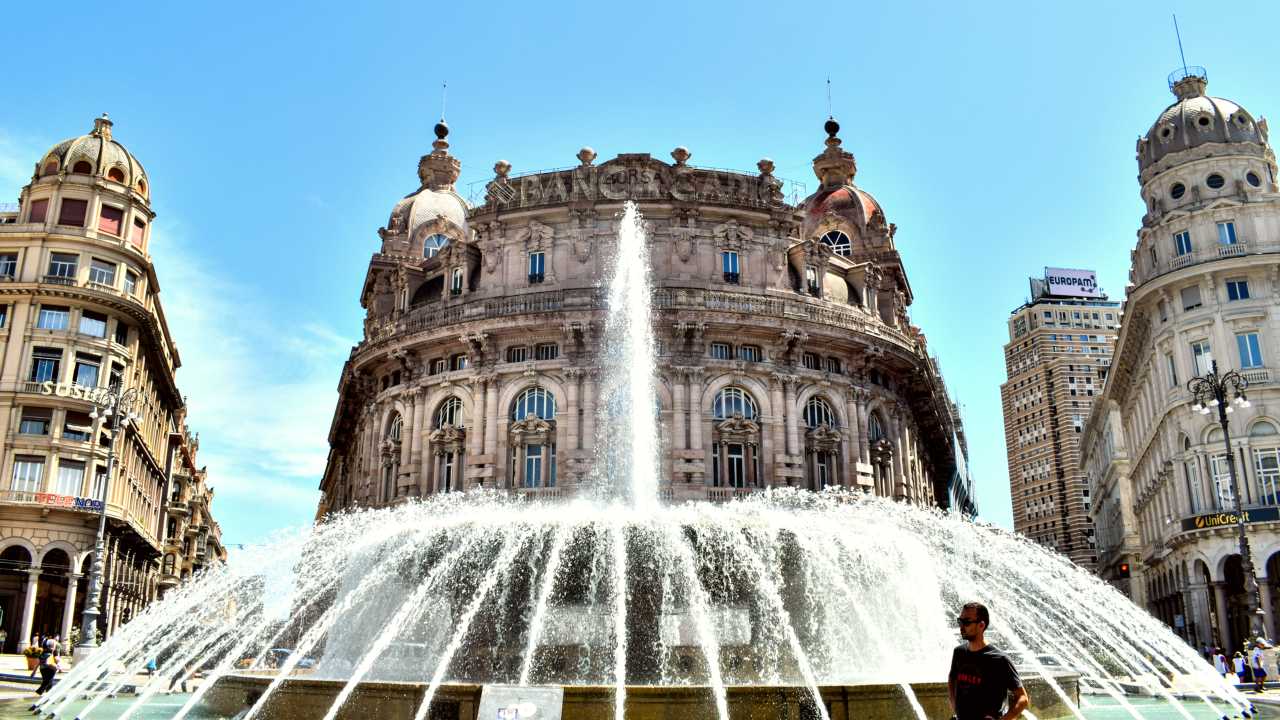
Der Palazzo San Giorgio ist ein eindrucksvolles Beispiel für Genuas maritime Geschichte. Einst ein Zollhaus, dient er jetzt als Museum. Die Fassade des Gebäudes zeigt schöne Fresken und kunstvolle Steinmetzarbeiten. Im Inneren kannst du Ausstellungen erkunden, die die Geschichte von Genuas Rolle im Handel und in der Erkundung erzählen. Der Innenhof ist ein ruhiger Ort, um zu sitzen und über die Vergangenheit der Stadt nachzudenken. Nur einen kurzen Spaziergang entfernt findest du die lebhafte Uferpromenade, wo du frische Meeresfrüchte in lokalen Restaurants genießen kannst. Dieser Ort bietet einen Einblick in die Entwicklung der Stadt über Jahrhunderte.
Practical

At a glance

Gegründet
400 BC
Bevölkerung
580.000
Barrierefreiheit
Some areas are hilly, but public transport is available.
Price level
Mittelklasse

Wissenswertes

Be cautious in the narrow alleys, as they can be confusing and sometimes unsafe at night.
Public transport can be limited on weekends, so plan accordingly.
Some tourist attractions may have long lines during peak season.
Watch out for pickpockets in crowded areas, especially near major sights.
history_eduGeschichteexpand_more
Geschichte - Genoa

Genoa's history dates back to ancient times, with its strategic location making it a significant maritime power in the Mediterranean. By the 11th century, it had established itself as a republic, rivaling Venice and Pisa. The city flourished during the Renaissance, becoming a hub for trade and culture. Many of its grand palaces were built during this period, showcasing the wealth of its merchants. However, the decline of maritime trade in the 18th century led to a gradual decrease in its prominence.

Foto: Wikipedia / Wikimedia Commons