Occitanie
 Apr–Jun, Sep–Oktbeste Zeit
7 Tageplanen für
Jamit Kindern
Apr–Jun, Sep–Oktbeste Zeit
7 Tageplanen für
Jamit Kindern
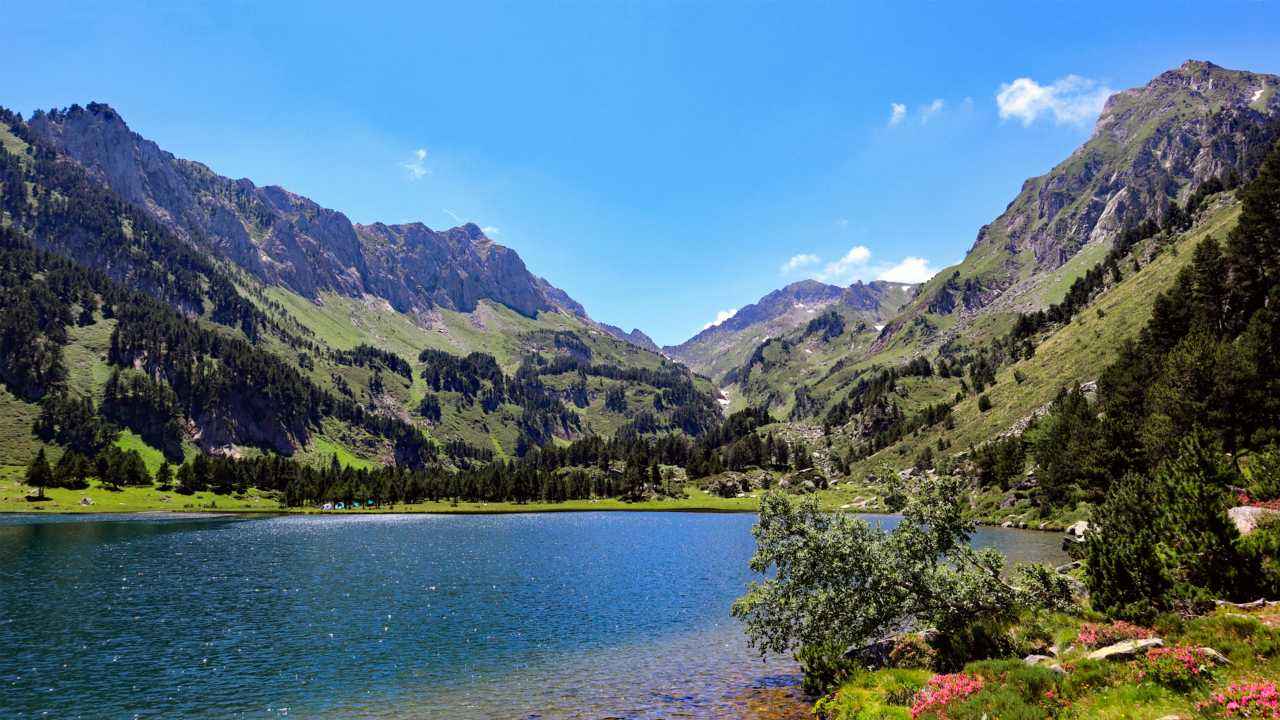
Okzitanien bietet eine Mischung aus reicher Geschichte, vielfältigen Landschaften und kulinarischen Köstlichkeiten. Von den Pyrenäen bis zur Mittelmeerküste lädt diese Region zur Erkundung ihrer charmanten Dörfer und lebhaften Städte ein.
Mehr lesen
Reisende können Aktivitäten im Freien wie Wandern und Skifahren genießen sowie kulturelle Erlebnisse in Städten wie Toulouse und Montpellier. Die Weinrouten der Region und die lokalen Märkte bieten einen Geschmack ihres landwirtschaftlichen Erbes.


Sightseeing

Lokales Essen und Trinken

Lokale Traditionen
Praktisches
Auf einen Blick
- Beste Zeit
- April to June, September to October
Geschichte
Okzitanien hat eine reiche Geschichte, die von verschiedenen Kulturen beeinflusst wurde, darunter die Römer und die Westgoten. Die Region war einst Teil des okzitanischsprachigen Gebiets, das im Mittelalter für seine einzigartige Sprache und Literatur bekannt war.
Im 13. Jahrhundert richtete sich der Albigenserkreuzzug gegen die Katharer, eine religiöse Gruppe in der Region. Dies führte zu erheblichen Veränderungen in der sozialen und politischen Landschaft. Heute spiegelt Okzitanien seine historische Tiefe durch Architektur, Traditionen und lokale Bräuche wider.
Foto: Wikipedia / Wikimedia Commons